Category: Creative Consult

  • The Importance of Tracking Patient Sources: Maximizing ROI for Healthcare Practices

    The Importance of Tracking Patient Sources: Maximizing ROI for Healthcare Practices

    In the competitive landscape of the healthcare industry, understanding where your patients come from is crucial for maximizing your return on investment (ROI).

    Whether you’re a dentist, aesthetic practitioner, general physician, or veterinarian, tracking patient sources can provide invaluable insights into your marketing efforts and help you make informed decisions about future strategies.

    Why Tracking Patient Sources Matters

    1. Understanding ROI: Knowing where your patients originate allows you to evaluate the effectiveness of your marketing campaigns. If a staff member fails to log this information correctly or neglects to ask patients about their source, you may miss out on critical data that could inform your budget allocation and marketing strategies.
    2. Identifying Successful Channels: By tracking patient sources, you can identify which marketing channels are driving the most traffic to your practice. This information helps you focus your efforts on the most effective strategies, whether that’s online advertising, referrals, or community outreach.
    3. Improving Patient Experience: Understanding how patients find you can enhance their experience. If you know that many patients come from referrals, you can create a more personalized experience for those individuals, acknowledging the referring party and fostering a sense of community.
    4. Optimizing Marketing Strategies: When you have a clear picture of where your patients are coming from, you can adjust your marketing strategies accordingly. For example, if you find that a significant number of patients are coming from social media, you might decide to invest more in that area.

    How to Effectively Ask Patients About Their Source

    To ensure accurate tracking of patient sources, it’s essential to train your staff on how to ask patients where they heard about your practice. Here are some effective strategies:

    1. Create a Standardized Question: Train your staff to ask a simple, standardized question when patients schedule appointments or arrive for their visits. For example, “How did you hear about us?” This question can be included in your intake forms or asked during phone calls.
    2. Use Multiple Choice Options: When asking patients about their source, provide them with multiple-choice options to make it easier for them to respond. Some options could include:
      • Referral from a friend or family member
      • Online search
      • Social media (Facebook, Instagram, etc.)
      • Signage (billboards, posters, etc.)
      • Direct mail or marketing piece
      • Another healthcare provider or office
      • Online review or testimonial
      • Community event or health fair
    1. Encourage Open-Ended Responses: While multiple-choice options are helpful, also encourage patients to provide open-ended responses. This can uncover unique sources that you may not have considered.
    2. Utilize Technology: If your practice uses electronic health records (EHR) or practice management software, ensure that there is a designated field for tracking patient sources. This can streamline the process and make it easier for staff to log information accurately.
    3. Incorporate Patient Feedback: After a patient’s visit, consider sending a follow-up survey that includes questions about how they found your practice. This can provide additional insights and reinforce the importance of tracking patient sources.

    Implementing a Reward System

    To motivate your staff to actively engage with patients about their sources, consider implementing a reward system. Here are some ideas:

    1. Daily Leads Tracking: Encourage staff to track leads daily. Set a goal for the number of patient sources they should log each week, and recognize those who meet or exceed that goal.
    2. Incentives for Referrals: Offer incentives for staff members who successfully bring in new patients through referrals. This could be a small bonus, gift cards, or recognition in team meetings.
    3. Team Competitions: Create friendly competitions among staff members to see who can gather the most patient source information in a month. Offer a prize for the winner, such as a team lunch or a gift card.
    4. Recognition Programs: Acknowledge staff members who consistently excel in tracking patient sources. This could be through shout-outs in team meetings or a “Staff Member of the Month” program.

    Conclusion

    Tracking where your patients come from is essential for maximizing ROI and optimizing your marketing strategies. By implementing effective methods for gathering this information and encouraging your staff to engage with patients about their sources, you can gain valuable insights that will help your practice thrive.


    At Ai Healthcare Marketing, we understand the importance of data-driven decision-making in the healthcare industry. By prioritizing patient source tracking, you can enhance your marketing efforts, improve patient experiences, and ultimately drive growth for your practice. Let’s work together to ensure that your practice is set up for success in the coming year!

  • Preparing for 2025: Year-End Marketing Campaign Checklist for Healthcare Practices

    Preparing for 2025: Year-End Marketing Campaign Checklist for Healthcare Practices

    As we approach the end of the year, it’s the perfect time for healthcare practices—whether dental, aesthetic, general, or veterinary—to reflect on the past year and prepare for the upcoming one. A successful marketing campaign requires careful planning and evaluation, and 2025 is no exception.

    Here’s a comprehensive checklist of year-end items to consider as you strategize for your marketing efforts in the new year.

    1. Evaluate Your Return on Investment (ROI)

    One of the most critical aspects of any marketing campaign is understanding its effectiveness. Take the time to analyze the ROI of your current marketing strategies. Ask yourself:

    • Which campaigns generated the most leads or conversions?
    • What was the cost per acquisition for new patients?
    • Are there specific channels (social media, email, PPC) that performed better than others?

    By evaluating your ROI, you can identify what worked, what didn’t, and where to allocate your budget for maximum impact in 2025.

    2. Define Your Target Audience

    Understanding your ideal patient is crucial for effective marketing. Reflect on the types of patients you want to attract in the coming year. Consider:

    • Are you looking to bring in more pediatric patients, cosmetic clients, or pet owners?
    • What demographics (age, location, income) align with your practice’s services?
    • Are there specific services or treatments you want to promote more heavily?

    By clearly defining your target audience, you can tailor your marketing messages and campaigns to resonate with them effectively.

    3. Assess Staff Training and Changes

    Your staff plays a vital role in the patient experience and overall success of your practice. As you prepare for 2025, consider:

    • Are there areas where your staff could benefit from additional training (e.g., customer service, new technologies, or treatment protocols)?
    • Have there been any staffing changes that may impact your marketing efforts?
    • Is your team aligned with your marketing goals and messaging?

    Investing in staff training not only enhances the patient experience but also ensures that your team is equipped to support your marketing initiatives.

    4. Evaluate Your Marketing Materials

    Take a close look at your existing marketing materials, including:

    • Website: Is your website user-friendly, mobile-responsive, and optimized for search engines? Consider updating content, improving navigation, and ensuring that it reflects your brand accurately.
    • Social Media: Review your social media presence. Are you engaging with your audience effectively? Are there platforms where you could improve your presence?
    • Brochures and Flyers: Assess the effectiveness of your printed materials. Are they up-to-date and aligned with your current services?

    Updating and refreshing your marketing materials can help you present a cohesive and professional image to potential patients.

    5. Plan Your Content Strategy

    Content marketing is a powerful tool for attracting and retaining patients. As you prepare for 2025, consider:

    • What topics resonate with your audience? (e.g., health tips, patient success stories, or service highlights)
    • How often will you publish new content (blogs, videos, social media posts)?
    • Are there seasonal campaigns or events you can tie your content to?

    Creating a content calendar can help you stay organized and ensure that you consistently provide valuable information to your audience.

    6. Set Clear Goals and KPIs

    Establishing clear goals for your marketing campaigns is essential for measuring success. Consider:

    • What specific objectives do you want to achieve in 2025? (e.g., increase patient appointments by 20%, grow your social media following, or improve patient retention)
    • What key performance indicators (KPIs) will you use to track progress? (e.g., website traffic, conversion rates, or patient feedback)

    Setting measurable goals will help you stay focused and accountable throughout the year.

    7. Budgeting for Marketing Initiatives

    As you plan for 2025, it’s crucial to allocate your marketing budget wisely. Consider:

    • What percentage of your overall budget will be dedicated to marketing?
    • Are there new marketing channels or strategies you want to explore?
    • How will you measure the effectiveness of your spending?

    Creating a detailed budget will help you prioritize your marketing initiatives and ensure that you’re investing in the right areas.

    8. Stay Informed About Industry Trends

    The healthcare industry is constantly evolving, and staying informed about the latest trends can give you a competitive edge. Consider:

    • What new technologies or treatments are emerging in your field?
    • Are there changes in patient behavior or preferences that you should be aware of?
    • How can you adapt your marketing strategies to align with these trends?

    By staying informed, you can position your practice as a leader in your field and attract more patients.

    Conclusion

    As you prepare for 2025, taking the time to evaluate your marketing strategies and set clear goals will position your practice for success in the new year. By focusing on ROI, understanding your target audience, investing in staff training, and refreshing your marketing materials, you can create effective campaigns that resonate with patients and drive growth.

    At Ai Healthcare Marketing, we are here to support you in your marketing journey. Let’s work together to make 2025 your best year yet!

  • A Heartfelt Thanksgiving Message from Ai Healthcare Marketing

    A Heartfelt Thanksgiving Message from Ai Healthcare Marketing

    As Thanksgiving approaches, we at Ai Healthcare Marketing want to express our heartfelt gratitude to our clients whether you’ve been with us for many years or have recently joined our family, your trust and partnership mean the world to us.

    A Journey Together

    We understand that the journey in the healthcare industry can be challenging. Many of you have faced unprecedented hurdles, especially in recent years. We want you to know that we see you, we hear you, and we are here for you. Your resilience and dedication to providing quality care to your patients inspire us every day.

    Some of our clients have been with us since our inception in 1996, and we are incredibly thankful for the relationships we’ve built over the years. Your loyalty and commitment have allowed us to grow and evolve alongside you. For our newer clients, we are equally grateful for the opportunity to work with you and support your vision. Each of you brings unique strengths and perspectives that enrich our community.

    Our Philosophy: Clients First

    Since our founding, we have held a steadfast philosophy of putting our clients first. Your success is our success, and we are dedicated to helping you achieve your goals. We believe that by prioritizing your needs and aspirations, we can create meaningful marketing strategies that resonate with your audience and elevate your practice.

    We also recognize the importance of collaboration. Our commitment to networking with our partners ensures that we can provide comprehensive support to our common clients. Together, we strive to create a seamless experience that enhances your practice and fosters growth.

    A Family of Support

    At Ai Healthcare Marketing, we consider our team a family, and we extend that sentiment to you, our clients. We are not just here to provide services; we are here to build lasting relationships. Your feedback, insights, and experiences shape our approach and help us serve you better.

    As we reflect on the past year, we are filled with gratitude for your trust in us and for allowing us to be a part of your journey. Your commitment to your patients and your practice inspires us to work harder and strive for excellence every day.

    A Thanksgiving Message

    This Thanksgiving, we want to wish you and your loved ones a season filled with joy, gratitude, and warmth. May you find time to relax, reflect, and celebrate the successes you’ve achieved, both big and small.

    Thank you for being a part of the Ai Healthcare Marketing family. We look forward to continuing this journey together and supporting your success in the years to come. Happy Thanksgiving! 🦃🍂

  • Building a Brand: Differentiating Your Healthcare or Dental Practice in a Competitive Market

    Building a Brand: Differentiating Your Healthcare or Dental Practice in a Competitive Market

    In the increasingly competitive healthcare and dental markets, establishing a strong brand is no longer a luxury—it’s a necessity. A well-crafted brand differentiates your practice, communicates your unique value proposition, and resonates with your target audience, turning potential patients into loyal ones. But how do you carve out a unique space in a market flooded with options?

    This blog post will explore actionable strategies to build a distinctive brand for your healthcare or dental practice.

    Understanding the Power of Branding in Healthcare

    Branding in healthcare is more than just a logo or a catchy slogan; it’s the embodiment of your practice’s mission, values, and the experience you offer. A strong brand instills confidence, fosters loyalty, and can be the deciding factor for patients when choosing healthcare providers. In essence, your brand is the story patients recall when they think of your practice.

    1. Identifying Your Unique Value Proposition (UVP)

    The first step in differentiating your practice is identifying your UVP. What can patients expect from your services that they won’t get elsewhere? Is it cutting-edge technology, personalized care plans, a holistic approach, or perhaps a focus on patient education? Pinpointing what makes your practice unique will guide your branding efforts.

    2. Creating a Visual Identity That Speaks Volumes

    Your visual identity—the combination of logo, color scheme, typography, and imagery—should reflect your UVP and appeal to your target demographic. For instance, a pediatric dentist might opt for a bright, welcoming palette, while a high-end cosmetic dental clinic might choose a sleek, minimalist design to convey sophistication.

    3. Crafting a Compelling Narrative

    Storytelling is at the heart of effective branding. Develop a narrative that encapsulates the essence of your practice. Share the journey of your clinic’s inception, the challenges you’ve overcome, and the successes you’ve achieved. Patient testimonials can be integrated into this narrative to add authenticity and emotional appeal.

    4. Consistent Messaging Across All Touchpoints

    Consistency is key in branding. Every interaction—be it on your website, social media channels, or in-person—should reinforce your brand message. Train your staff to embody the brand values in their patient interactions and ensure all marketing materials are aligned with your brand voice.

    5. Engaging Content Marketing

    Content marketing is a powerful tool for establishing thought leadership and connecting with your audience. Create informative blog posts, videos, and infographics that address common patient concerns and showcase your expertise. This not only improves SEO but also builds trust with potential patients.

    6. Leveraging Social Proof

    Social proof, such as patient reviews and testimonials, can significantly impact your brand’s perception. Encourage satisfied patients to share their experiences online. Highlighting these testimonials on your website and social media can enhance credibility and attract new patients.

    7. Community Involvement and Partnerships

    Being active in your community can set your practice apart. Participate in local health fairs, sponsor community events, or collaborate with other local businesses. These activities demonstrate your commitment to the community’s well-being and can increase local awareness of your brand.

    8. Embracing Digital Marketing Strategies

    In the digital age, an online presence is crucial for brand visibility. Invest in SEO to ensure your practice appears in local search results. Utilize pay-per-click advertising for targeted campaigns, and engage with potential patients through social media platforms.

    9. Monitoring Brand Perception and Feedback

    Finally, keep a pulse on how your brand is perceived. Monitor online reviews and feedback, and be responsive to both positive and negative comments. Use patient surveys to gain insights into how you can improve patient experience and strengthen your brand.

    Conclusion

    Building a brand for your healthcare or dental practice is an ongoing process that requires attention to detail, consistency, and adaptability. By articulating what sets you apart, creating a cohesive visual identity, engaging with your community, and maintaining an active digital presence, you can establish a brand that not only stands out but also truly represents the heart of your practice. Remember, in the healthcare industry where trust is paramount, a strong brand can be the most powerful tool in your marketing arsenal.

    In differentiating your practice through branding, you’re not just selling services; you’re offering an experience and forging relationships that last. That’s the essence of a successful healthcare brand in today’s competitive market.

  • Mobile Marketing Strategies for On-the-Go Healthcare or Dental Information

    Mobile Marketing Strategies for On-the-Go Healthcare or Dental Information

    In the fast-paced world of healthcare and dental care, mobile marketing has become an indispensable tool for connecting with patients. With the majority of adults using smartphones and other mobile devices to access information, healthcare providers must adapt their marketing strategies to meet patients where they are: on the go.

    This blog post outlines effective mobile marketing strategies to ensure your healthcare or dental practice provides timely, relevant, and accessible information to current and prospective patients.

    Understanding the Mobile Patient Journey

    The modern patient journey is increasingly mobile. From symptom research to booking appointments, mobile devices play a pivotal role. Therefore, a mobile-optimized approach isn’t just convenient—it’s essential for patient engagement and retention.

    1. Optimize Your Website for Mobile

    The foundation of mobile marketing is a mobile-responsive website. Your site should load quickly, display correctly on various screen sizes, and offer an intuitive user experience. Simplify navigation, streamline content, and ensure that call-to-action (CTA) buttons are easy to tap on a touchscreen.

    2. Implement Text Message Communications

    Text messaging is a direct and personal way to reach patients. Use SMS for appointment reminders, follow-ups, and health tips. Keep messages concise and include clear CTAs when necessary. Always obtain consent before sending texts and provide an easy opt-out option.

    3. Develop a Mobile App

    A dedicated mobile app can enhance the patient experience by offering features like appointment scheduling, prescription refills, and access to medical records. An app can also facilitate telehealth services, allowing patients to consult with their healthcare providers from anywhere.

    4. Utilize Location-Based Services

    Geo-targeting allows you to send marketing messages to patients when they are in proximity to your practice. This can be particularly effective for last-minute appointment openings or promoting walk-in services.

    5. Embrace Social Media Advertising

    Social media platforms are predominantly accessed via mobile devices. Use targeted ads on platforms like Facebook and Instagram to reach potential patients based on demographics, location, and interests. Create engaging content that is shareable and suited for small screens.

    6. Leverage QR Codes

    QR codes can be an effective way to bridge offline and online marketing. Place QR codes on brochures, business cards, and posters in your practice. When scanned with a smartphone, they can direct patients to your website, promotional videos, or a contact form.

    7. Optimize for Voice Search

    With the rise of digital assistants like Siri and Alexa, optimizing for voice search is increasingly important. Use natural language and long-tail keywords in your content that people might use when speaking rather than typing.

    8. Create Video Content

    Videos are highly engaging and easily consumed on mobile devices. Create short, informative videos about common health concerns, procedures, or office tours. Ensure videos are optimized for mobile viewing with subtitles for those who may watch without sound.

    9. Encourage Mobile Check-ins

    Encourage patients to check in on social media when they visit your practice. This not only increases your visibility but also provides social proof to prospective patients.

    10. Monitor Mobile Analytics

    Use analytics to understand how patients interact with your mobile site and app. Look at metrics like mobile traffic, bounce rate, and conversion rates to inform your strategy and improve user experience.

    Ensuring Compliance and Privacy

    When implementing mobile marketing strategies, it’s critical to ensure that all communications comply with healthcare privacy laws such as HIPAA in the U.S. Secure messaging platforms and adherence to data protection standards are non-negotiable aspects of a trustworthy mobile marketing approach.

    A robust mobile marketing strategy is no longer optional for healthcare and dental practices; it’s a necessity for staying competitive and meeting patient expectations. By embracing these strategies, you can provide valuable on-the-go information that empowers patients and fosters a deeper connection with your practice. Remember, the goal is not just to reach patients but to engage them effectively in a way that enhances their overall healthcare experience.

    In conclusion, the integration of mobile marketing into your practice’s outreach efforts can significantly enhance the way you provide healthcare or dental information to your patients. By focusing on accessibility, personalization, and timely communication, you can build a stronger rapport with your patient community and stand out in a crowded healthcare marketplace.

  • Navigating the Treacherous Waters of Cyber Scams in Healthcare

    Navigating the Treacherous Waters of Cyber Scams in Healthcare

    In the interconnected realm of healthcare, practitioners are increasingly reliant on digital communication to manage patient relationships and business operations. While email has long been a staple in this digital toolkit, the rise of social media has opened new avenues for engagement—and, unfortunately, new opportunities for cybercriminals. As providers of healthcare services, it is imperative to be vigilant not only in your email interactions but also across your social media platforms.

    The Lure of Social Media for Cybercriminals

    Social media accounts are treasure troves of information for scammers. The personal and professional details shared on these platforms can be used to craft highly targeted and convincing scams. A direct message from a “potential patient” on social media might seem harmless but could be as dangerous as any email phishing attempt.

    Common Social Media Scams to Watch Out For

    1. Malicious Links: Similar to email scams, messages containing links that promise intriguing content can lead to malware installation or phishing sites.
    2. Impersonation: Scammers may create fake accounts resembling your practice or even mimic patient profiles to gain trust before launching their attacks.
    3. Information Harvesting: Interacting with seemingly benign quizzes or polls can inadvertently reveal answers to security questions or other sensitive data.
    4. Ransomware: Just as with email, clicking on a compromised link via social media can lead to ransomware attacks, locking you out of critical systems.

    The Dangers of Nonchalant Clicks and Shares

    Clicking on unknown links or sharing unverified information on social media can be just as perilous as doing so in emails. The consequences can range from personal data theft to the hijacking of your entire social media account. This not only endangers your practice’s data but also risks spreading the threat to your followers, including patients who trust your professional guidance.

    HIPAA Compliance in the Digital Sphere

    HIPAA’s privacy rule extends beyond the confines of your practice’s email server; it encompasses all forms of digital communication, including social media. You and your staff must be trained to recognize what constitutes PHI and understand that such information must never be shared on insecure platforms or through unencrypted messages.

    Best Practices for Email and Social Media Security

    1. Educate Your Team: Regular training sessions on recognizing phishing attempts and understanding HIPAA compliance online are critical.
    2. Implement Strong Password Policies: Use complex passwords and change them regularly. Consider multi-factor authentication for an added layer of security.
    3. Use Verified Secure Communication Channels: Whether communicating via email or social media, ensure that any exchange of PHI is conducted through encrypted and verified secure channels.
    4. Regularly Update Software: Keep all systems up-to-date with the latest security patches and antivirus software to protect against new threats.
    5. Create a Response Plan: Have a clear plan in place for responding to a suspected breach of data or security.
    6. Encourage Patient Awareness: Inform patients about the risks of sharing personal health information over unsecured channels and guide them on how to interact safely with your practice online.

    In the modern healthcare landscape, where digital interactions are an integral part of daily operations, it is crucial to maintain a fortress-like approach to cybersecurity. This means being ever-vigilant not just in your email practices but across all digital platforms, including social media. By educating yourself and your staff, implementing robust security protocols, and fostering patient awareness, you can significantly reduce the risk of falling prey to cyber scams and ensure that your practice remains a safe harbor in the tumultuous seas of the digital world.

  • Enhancing Patient Education Through Interactive Marketing Tools

    Enhancing Patient Education Through Interactive Marketing Tools

    In the healthcare industry, informed patients are empowered to make better health decisions, leading to improved outcomes and higher satisfaction levels. As healthcare providers seek innovative ways to educate their patients, interactive marketing tools have emerged as a powerful means to engage, inform, and inspire.

    This blog post will explore how healthcare practices can enhance patient education by leveraging interactive marketing tools, thus fostering a more informed patient base and nurturing a stronger provider-patient relationship.

    The Shift to Interactive Patient Education

    Traditionally, patient education was limited to pamphlets, one-way presentations, or brief consultations with healthcare providers. However, these methods often fall short in meeting the diverse learning needs of patients. Interactive marketing tools, on the other hand, offer dynamic and personalized educational experiences that can cater to individual preferences and learning styles.

    Benefits of Interactive Tools for Patient Education

    Interactive tools can transform passive patients into active participants in their healthcare journey. By engaging with interactive content, patients are more likely to retain information and feel more confident in managing their health. These tools also facilitate two-way communication, allowing patients to ask questions and receive feedback in real-time.

    Key Interactive Marketing Tools for Patient Education

    1. Educational Websites and Portals: A well-designed educational website or patient portal can serve as a comprehensive resource for patients. Incorporating quizzes, interactive diagrams, and explainer videos can help clarify complex medical information and procedures.
    2. Mobile Health Apps: Apps can deliver personalized education content directly to patients’ smartphones or tablets. Features like medication trackers, symptom checkers, and interactive health assessments can support ongoing patient education outside the clinic.
    3. Virtual Reality (VR) and Augmented Reality (AR): VR and AR technologies can simulate health conditions, treatments, and potential outcomes, providing an immersive learning experience that can be particularly effective for visual learners.
    4. Social Media Campaigns: Platforms like Facebook, X -formerly Twitter, and Instagram allow for interactive Q&A sessions, live videos, and the sharing of infographics that can boost patient engagement and education.
    5. Webinars and Online Workshops: These platforms enable real-time interaction with healthcare providers, offering patients an opportunity to deepen their understanding of health topics and ask questions from the comfort of their homes.

    Strategies for Implementing Interactive Marketing Tools

    1. Identify Patient Needs: Understand the common questions and concerns of your patient population. This insight will guide the development of targeted educational content that addresses specific needs.
    2. Promote Active Learning: Design your interactive tools to encourage active participation. For example, use scenario-based learning in your apps or include problem-solving exercises in your webinars.
    3. Ensure Accessibility: Make sure that your interactive tools are accessible to all patients, including those with disabilities or limited tech skills. Simple interfaces and clear instructions can help make these tools more user-friendly.
    4. Track Engagement and Outcomes: Use analytics to monitor how patients interact with your tools and measure the effectiveness of different types of content. This data can inform future improvements and content creation.
    5. Solicit Feedback: Encourage patients to provide feedback on their educational experiences. This feedback is invaluable for refining your tools and ensuring they meet patient needs.

    Challenges and Considerations

    While interactive marketing tools offer significant benefits for patient education, there are challenges to consider. Privacy and security are paramount when dealing with health information. Ensure that your tools comply with regulations like HIPAA in the United States or GDPR in Europe. Additionally, consider the potential cost of developing high-quality interactive tools and the need for ongoing maintenance and updates.

    Interactive marketing tools represent a significant advancement in patient education. By embracing these technologies, healthcare practices can provide engaging, personalized, and effective education that empowers patients to take an active role in their health management.

    As the healthcare landscape continues to evolve, those who invest in enhancing patient education through innovative marketing tools will be well-positioned to lead in patient satisfaction and clinical outcomes.

    With careful planning, attention to privacy concerns, and a commitment to continuous improvement, healthcare providers can harness the power of interactive marketing tools to transform patient education and set new standards in patient care.

  • The Hidden Dangers of Email Scams in Healthcare: A Guide for Practitioners

    The Hidden Dangers of Email Scams in Healthcare: A Guide for Practitioners

    In the digital age, healthcare professionals like doctors, dentists, and veterinarians are not only tasked with caring for their patients but also with safeguarding their personal and practice information from the ever-present threat of cyber scams.

    Email scams, in particular, have become a sophisticated tool for cybercriminals, often leading to disastrous consequences when successful. Understanding the risks and knowing how to recognize and respond to these threats is crucial for maintaining the integrity and security of your practice.

    Recognizing the Bait: What Scammers Are After

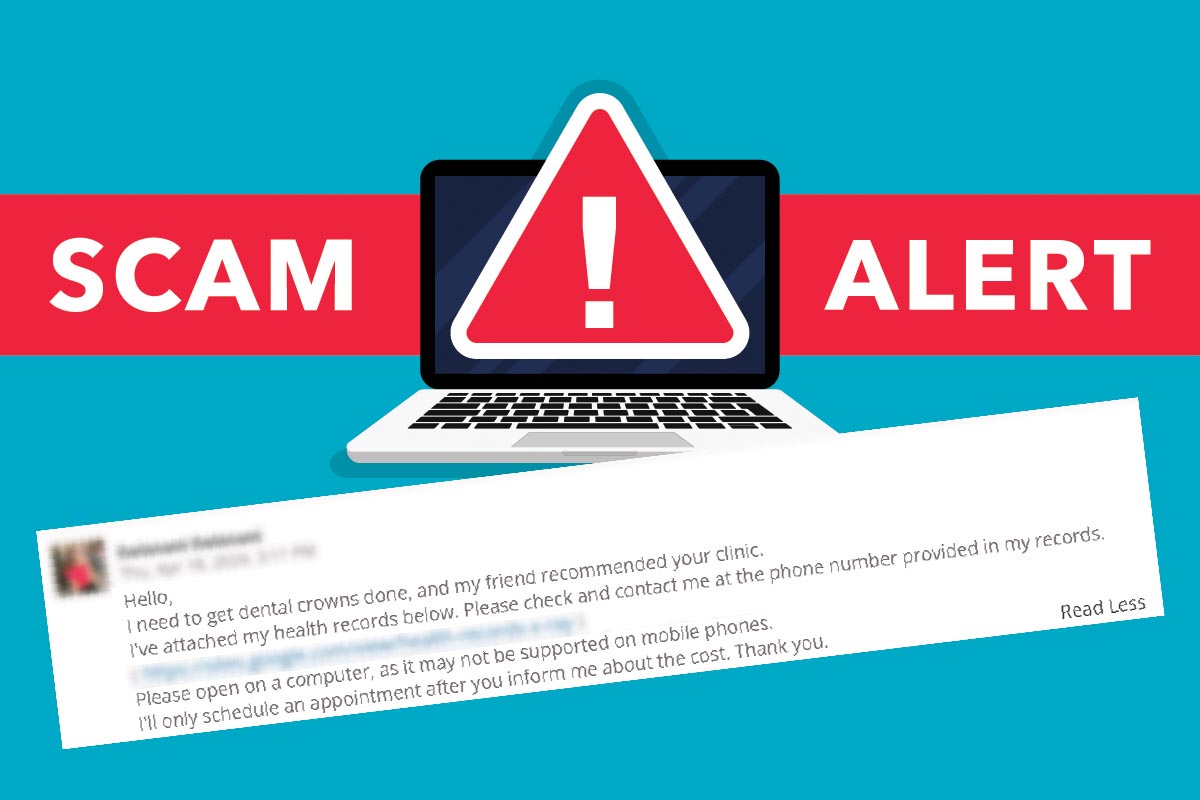
    Scammers targeting healthcare providers are often after one of two things: money or data. By sending a seemingly innocuous email with a request for service, like an inquiry about the cost of dental work accompanied by a link to “x-rays,” they bait providers into clicking on malicious links. These links can install spyware that can compromise your entire network, leading to data theft or ransomware attacks.

    The data held by healthcare professionals is particularly valuable. It includes personal health information (PHI), financial details, and other sensitive data that, if exposed, can lead to identity theft and significant financial loss for patients. Furthermore, for the scammers, obtaining access to a healthcare provider’s email can be a goldmine, as it may contain correspondence with patients, insurance companies, and other healthcare providers.

    The Perils of Clicking Unknown Links

    Clicking on an unknown link can have several repercussions:

    1. Spyware Installation: As mentioned, this can give scammers access to your system and sensitive information.
    2. Ransomware: This type of malware can lock you out of your system and demand a ransom for access restoration.
    3. Phishing: Scammers might use the information to impersonate you or your practice, tricking patients or other providers into providing sensitive information.
    4. Network Compromise: The breach can spread across your network, affecting not just one computer but your entire practice.

    HIPAA Compliance and Email Correspondence

    Under the Health Insurance Portability and Accountability Act (HIPAA), healthcare providers are required to protect patient information from unauthorized access or disclosure. This means that any communication containing PHI should be conducted through secure, encrypted channels. Reminding patients never to send sensitive medical information through unsecured channels is also part of maintaining HIPAA compliance.

    How to Spot Email Scams: Red Flags

    Here are some tell-tale signs that an email may be part of a scam:

    1. Unsolicited Attachments or Links: If you receive an email with unexpected attachments or links, be wary.
    2. Urgency or Threats: Scammers often create a sense of urgency or use threatening language to prompt hasty actions.
    3. Mismatched URLs: Hover over any links without clicking to see if the URL matches what you would expect.
    4. Poor Grammar and Spelling: Professional communications should not contain multiple grammar or spelling errors.
    5. Requests for Sensitive Information: Legitimate organizations will not ask for sensitive information via email.
    6. Sender’s Email Address: Check if the email comes from a public domain or a misspelled official domain.

    Real Client Example:

    Best Practices for Email Security

    To protect yourself and your practice from email scams:

    1. Educate Your Team: Make sure everyone in your practice knows how to recognize scam emails.
    2. Use Secure Communication Channels: Always use secure, encrypted methods for sending PHI.
    3. Implement Strong Password Policies: Use complex passwords and change them regularly.
    4. Keep Software Updated: Ensure all systems and antivirus software are up-to-date.
    5. Backup Data Regularly: Regular backups can help recover information in case of a ransomware attack.
    6. Verify Suspicious Requests: If an email request seems off, verify it through other communication means.
    7. Report and Delete Suspicious Emails: Report any scam attempts to appropriate authorities and delete the emails.

    While email communication is indispensable in today’s healthcare practices, it comes with significant risks that must be managed diligently. By staying vigilant, educating staff and patients, and implementing robust security measures, healthcare providers can protect themselves from the costly and damaging effects of email scams. Always prioritize HIPAA compliance and remember that when it comes to suspicious emails when in doubt, don’t click – verify first.

  • Email Marketing Mastery: Tips for Building Strong Patient Relationships

    Email Marketing Mastery: Tips for Building Strong Patient Relationships

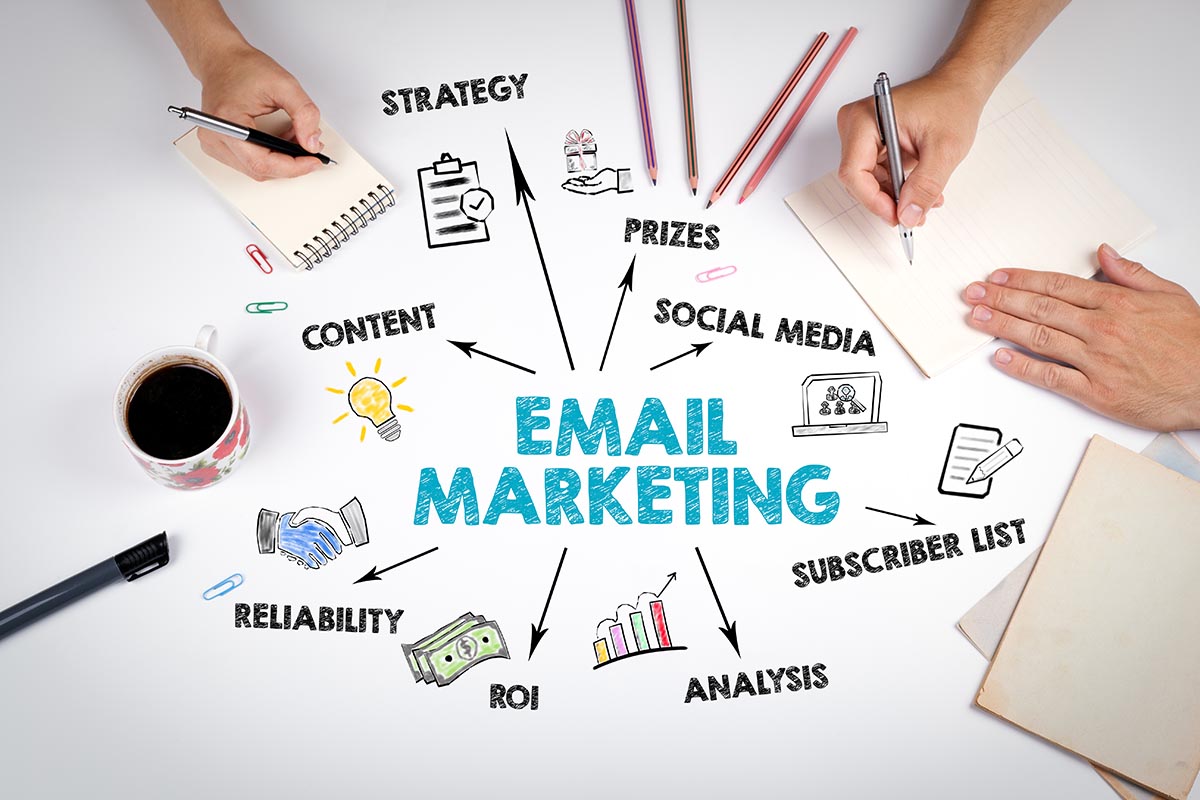
    In the digital era, where new marketing channels emerge with dizzying speed, email remains a cornerstone for building and nurturing patient relationships. Email marketing allows healthcare providers to communicate directly with patients, offering a personal touch that can foster trust and loyalty.

    However, to truly master email marketing, it’s essential to understand not only the mechanics but also the nuances of crafting emails that resonate with patients. Here, we explore practical tips for healthcare practices looking to elevate their email marketing game and cement strong patient relationships.

    Understanding the Value of Email in Patient Communication

    Email marketing in healthcare isn’t just about promotions; it’s a strategic tool for ongoing communication. It allows for regular touchpoints with patients, keeping your practice top-of-mind and providing continuous value. Whether it’s through newsletters, appointment reminders, or health tips, each email is an opportunity to strengthen the patient-provider relationship.

    Crafting Personalized Content

    Personalization is more than using a patient’s name. It’s about tailoring content to meet their interests, needs, and stage in the patient lifecycle.

    1. Segment Your Audience: Group your patients based on demographics, conditions, or behaviors. This segmentation enables you to send targeted emails that address specific health interests or concerns.
    2. Relevant Information: Share content that’s relevant to your patients’ health journey. This could include tips for managing chronic conditions, preventative care advice, or updates on the latest treatments.
    3. Patient Journeys: Acknowledge milestones in a patient’s healthcare journey. Celebrate anniversaries of successful treatments or offer encouragement on ongoing health challenges.

    Building Trust through Educational Content

    Patients value healthcare providers as trusted sources of information. Use email to educate and inform, establishing your practice as a thought leader in your field.

    1. Health Tips and News: Regularly send out health tips or news related to your specialty. This not only educates patients but also demonstrates your commitment to their well-being.
    2. Blog Post Sharing: If your practice has a blog, share your latest posts in your emails. This drives traffic to your website and provides patients with valuable information.
    3. Video Content: Include links to video content, whether it’s a message from the doctor, a virtual tour of the facility, or an educational seminar.

    Engaging Patients with Interactive Content

    Interactive emails can increase engagement rates significantly.

    1. Surveys and Feedback: Use emails to solicit feedback on patient experiences or to conduct surveys about new services or office improvements.
    2. Polls and Quizzes: Include interactive polls or quizzes related to health and wellness. They can be fun and informative ways to engage patients and encourage them to think about their health.

    Optimizing Email Campaigns for Better Engagement

    To make sure your emails are read and acted upon, they need to be well-crafted and strategically sent.

    1. Subject Lines: Write compelling subject lines that grab attention and accurately reflect the email’s content.
    2. Mobile Optimization: Ensure emails are mobile-friendly, as many patients will read them on their smartphones.
    3. Clear Calls-to-Action: Include clear calls-to-action (CTAs) so patients know what steps they can take after reading your email, whether it’s booking an appointment or reading more about a health topic.

    Maintaining Compliance and Privacy

    In healthcare, protecting patient privacy is paramount. Ensure that your email marketing practices comply with regulations like HIPAA.

    1. Secure Platforms: Use email marketing platforms that offer secure data storage and transmission.
    2. Patient Consent: Always obtain and record consent for email communications and provide easy options for patients to opt-out.

    Measuring Success and Adjusting Strategies

    Finally, track the performance of your email campaigns to understand what resonates with your audience.

    1. Analytics: Use analytics to track open rates, click-through rates, and conversions. This data will inform what content is most engaging for your audience.
    2. A/B Testing: Regularly test different aspects of your emails (like subject lines or send times) to see what performs best with your audience.
    3. Adaptation: Be willing to adapt your strategy based on feedback and analytics. The best email marketing strategies evolve over time to better meet the needs of the audience.

    Mastering email marketing in healthcare is about much more than sending out mass communications; it’s about cultivating personal connections with patients through thoughtful, informative, and engaging content.

    By personalizing interactions, providing valuable information, respecting patient privacy, and continually refining strategies based on feedback and analytics, healthcare providers can leverage email marketing to build strong, lasting relationships with their patients.

  • Tuning into the Future: The Impact of Voice Search on Healthcare and Dental Marketing Strategies

    Tuning into the Future: The Impact of Voice Search on Healthcare and Dental Marketing Strategies

    The digital marketing landscape is in constant flux, and for healthcare and dental practitioners, staying ahead of the curve is not just about being current; it’s about being patient centric. With the rise of voice searches through smartphones, smart speakers, and virtual assistants like Siri, Alexa, and Google Assistant, the way potential patients seek healthcare services is fundamentally changing.

    This shift towards voice search presents both challenges and opportunities for healthcare and dental marketing strategies. In this blog, we’ll explore how voice search is reshaping patient engagement and what professionals can do to adapt.

    The Rise of Voice Search in Healthcare

    Voice search usage is growing at an exponential rate. ComScore predicts that by 2023, 50% of all searches will be conducted by voice. This trend is particularly pertinent in healthcare, where patients are looking for quick, reliable answers to health-related queries. Voice search is becoming an essential tool in their quest for immediate information on symptoms, treatments, and local healthcare providers.

    Understanding the Voice Search User

    Voice search users typically seek quick answers and are more likely to use natural, conversational language. They might ask, “Where’s the nearest dentist?” instead of typing “dentist near me” into a search engine. This shift requires a new approach to content creation and SEO strategy that prioritizes natural language processing and long-tail keywords.

    Optimizing for Local Voice Search

    Local searches constitute a significant portion of voice queries. For healthcare providers and dental practices, this means ensuring your local SEO is robust. It involves claiming your Google My Business listing, standardizing your NAP (Name, Address, Phone Number) information across the web, and garnering positive reviews that can improve your visibility in voice search results.

    Creating Voice Search-Friendly Content

    Content that answers specific questions is more likely to be favored in voice search results. Healthcare marketers should focus on creating content that directly responds to the types of questions potential patients might ask through voice search. This could include FAQs on common dental procedures or blog posts addressing common health concerns with clear, concise answers.

    Leveraging ‘Featured Snippets’ and Structured Data

    Google’s featured snippets often provide the answers for voice searches. To increase the chances of your content being used for a featured snippet, structure your content in a way that Google can easily interpret. This includes using headers for questions and providing succinct answers immediately following these headers.

    Voice Search and Accessibility

    Voice search also plays a crucial role in making healthcare information more accessible to individuals with visual impairments or those who may have difficulty typing due to physical limitations. Ensuring your website is optimized for voice search inherently makes your practice more inclusive.

    The Challenge of Privacy

    With the convenience of voice search comes the concern of privacy, especially sensitive in healthcare. Marketers must navigate these waters carefully, ensuring that all voice search interactions comply with HIPAA and other privacy regulations.

    Adapting to Conversational AI

    As AI becomes more conversational, there’s a growing expectation for digital interactions to mimic human dialogue. Healthcare professionals need to ensure that their AI interfaces, such as chatbots or virtual assistants on their websites, are optimized for natural language engagement.

    Voice Search Analytics

    Understanding how patients find you through voice search is crucial. While analytics for voice search are still developing, it’s important to start integrating voice search queries into your tracking to refine your marketing strategies over time.

    The Future of Voice Search Marketing in Healthcare

    Looking ahead, the integration of voice search into healthcare marketing strategies will only become more critical. As technology advances, we can expect even more sophisticated AI that can handle complex medical inquiries and provide personalized responses based on user history and preferences.

    The impact of voice search on healthcare and dental marketing strategies cannot be overstated. It requires a shift in how content is created and presented, with an emphasis on natural language and local SEO.

    By embracing this change and preparing for a voice-driven future, healthcare providers can position themselves effectively in an increasingly competitive digital landscape. Those who adapt will be better equipped to meet their patients where they are: just a “Hey Siri,” “OK Google,” or “Alexa” away from the care they need.