Tag: Marketing Strategies

  • The Importance of Offers in Your Advertising: Why They Matter More Than Ever

    The Importance of Offers in Your Advertising: Why They Matter More Than Ever

    The Changing Landscape of Consumer Behavior

    1. Budget-Conscious Patients

    In today’s economic climate, many individuals are more budget-conscious than ever. While healthcare is a necessity, the rising costs of services and treatments mean that patients are increasingly looking for ways to save. This doesn’t just apply to those within lower-income brackets; even financially stable households are scrutinizing their spending, searching for value and affordability across various services—including healthcare.

    As a practice owner, it’s essential to understand that patients of all economic backgrounds are attracted to offers. A compelling offer may be the nudge needed to convert a hesitant potential patient into someone who makes an appointment.

    2. The Power of Choice

    Patients now have more options than ever before, with countless healthcare providers vying for their attention. In such a competitive market, it’s vital to stand out. When paired with a clear value proposition, an appealing offer can differentiate your practice from the rest, making it more attractive to prospective patients.

    3. Information Overload

    We live in an age of information overload, where patients are bombarded with advertisements and content from various sources. An enticing offer acts as a beacon, cutting through the noise and grabbing attention. Healthcare providers who can communicate clear, valuable offers are much more likely to capture interest and drive engagement.

    Why Offers Are Essential in Your Advertising

    1. Encouraging Action

    An effective offer motivates potential patients to take immediate action. Offers such as discounts, free initial consultations, or complimentary services create a sense of urgency, encouraging potential patients to schedule an appointment sooner rather than later. When individuals feel they are receiving a special deal, they are more likely to take that leap.

    2. Building Trust and Relationships

    When used correctly, offers can help build trust between your practice and potential patients. Providing a valuable offer shows that your practice is invested in the community and interested in providing accessible care. It can also demonstrate your willingness to help new patients experience your services without financial risk.

    By fostering these initial relationships through appealing offers, practices can create a loyal patient base that will return for future treatments and recommend your services to their friends and family.

    3. New Patient Acquisition

    Attracting new patients is a critical component of maintaining any healthcare practice. Offers can be particularly effective in expanding your patient base. A well-crafted offer will appeal to individuals who may not have considered your practice previously, providing that additional incentive they need to choose you over competitors.

    Notably, many patients are likely to share information about compelling offers they come across. Whether it’s through word-of-mouth, social media posts, or online reviews, an appealing offer can significantly broaden your reach and publicity.

    4. Brand Awareness and Visibility

    Using offers in your advertising serves not only to attract new patients but also to boost your practice’s overall visibility. Engaging offers can create buzz, generate conversations, and improve perceptions about your brand. As people engage with your offer through shares, comments, or likes, your practice may gain exposure to individuals who would have never discovered you otherwise.

    5. Testing the Market

    Creating a limited-time offer allows you to test the market and assess how potential patients respond to various promotions. Analyzing which offers resonate most with your audience can provide valuable insights that inform future campaigns. This data-driven approach allows you to refine your advertising strategy and better align your offers with the needs of your target audience.

    Common Misconceptions about Offers

    1. Offers Are Cheap or Tacky

    As mentioned earlier, many healthcare practices shy away from using offers in their advertising because they fear it will detract from their professionalism. However, this is a misconception. When crafted thoughtfully, offers can elevate your marketing rather than undermine it.

    Instead of appearing cheap, a well-executed offer can enhance your brand’s image by demonstrating your practice’s commitment to making healthcare accessible. The goal isn’t to devalue your services but to entice potential patients through intelligent marketing strategies.

    2. Offers Only Attract Bargain Hunters

    While it’s true that many budget-conscious patients love a good deal, the perception that offers will only draw in bargain hunters is misleading. An effective offer appeals to a wide array of individuals and can reflect the value of your services. For example, a promotion that includes a free teeth whitening consultation or a discounted initial visit showcases your offerings—highlighting the quality of care potential patients can expect.

    3. Existing Patients Won’t Benefit from Offers

    Some practices may believe that offers are only relevant for attracting new patients, but this is not the case. Existing patients can also benefit from offers through referral incentives, seasonal promotions, or loyalty discounts. By including current patients in your promotional efforts, you reinforce their loyalty and encourage them to spread the word to friends and family.

    Strategies for Creating Effective Offers

    To maximize the effectiveness of your offers, consider the following strategies:

    1. Make It Clear and Valuable

    Your offer should be straightforward and clearly articulate the value to potential patients. For example, instead of a vague “discounted consultation,” specify a percentage off or the actual dollar amount saved. Clarity and transparency foster trust and improve the likelihood of patient engagement.

    2. Use a Time-Limited Approach

    Creating urgency through limited-time offers can motivate potential patients to act quickly. Phrases like “schedule by the end of the month” or “offer expires in 7 days” encourage prompt decision-making, preventing potential patients from procrastinating.

    3. Promote Offers Across Multiple Channels

    Leverage various marketing channels to share your offers consistently. Use direct mail, social media, email newsletters, and online ads to reach a broader audience. Ensure each channel has a similar message for cohesive branding.

    4. Personalize Offers

    When feasible, tailor your offers to specific audiences. For example, new patients might receive one type of offer, while existing patients could have access to loyalty bonuses. Personalization fosters a sense of connection and belonging.

    5. Track Results

    It’s essential to track the effectiveness of your offers. Use analytics tools to measure engagement, monitor patient conversion rates, and determine which offers resonate most with your audience. Regularly reviewing and adjusting your strategies will enhance your overall marketing efforts.

    Conclusion: Embrace Offers to Engage Patients

    In conclusion, the significance of offers in healthcare advertising cannot be overstated. As the landscape of consumer behavior continues to evolve, practices must adapt and leverage enticing offers to attract new patients, build trust, and foster long-term relationships.

    At AI Healthcare Marketing, we understand how crucial offers are in today’s competitive landscape. Let us help your practice create compelling ad campaigns that resonate with prospective patients and elevate your marketing efforts to new heights. Contact us to learn more about how we can work together to enhance your practice’s visibility and draw in the patients you deserve!


  • Keeping Patients Engaged During the Summer Months: Strategies for Healthcare Practices

    Keeping Patients Engaged During the Summer Months: Strategies for Healthcare Practices

    As summer approaches, many healthcare providers, including dentists, doctors, aesthetic practices, and veterinarians, may face a seasonal slowdown. Families are busy with vacations, kids are out of school, and patients may be less focused on their scheduled appointments. However, this lull in activity presents an excellent opportunity for your practice to strengthen relationships with patients and encourage them to stay engaged with their health care.

    At Ai Healthcare Marketing, we understand the unique challenges that come with seasonal fluctuations, and we’re here to share effective strategies to help you stay connected with your patients during the quieter summer months.

    1. Revamping Your Communication Strategy

    Personalize Your Communications

    Personalized communication is essential for maintaining patient engagement. Consider segmenting your patient list based on interests, demographics, or previous visits. This approach allows you to tailor your messages to specific groups. For instance, if a group of patients frequently visits for aesthetic treatments, you can send them information about summer skincare tips, special promotions, or seasonal services.

    Utilize Multi-Channel Communication

    Leverage multiple communication channels to reach your patients where they are. Combine emails, text messages, social media, and phone calls to update them on office hours, special promotions, and health tips. For example, a short text message might remind patients to schedule their annual check-ups or highlight a limited-time summer discount for existing patients.

    Regular Newsletters

    Consider sending out monthly newsletters that include engaging content relevant to the summer. Share articles about the importance of maintaining health during the summer months, tips for managing heat-related issues, or insights into the importance of staying on track with dental care, vaccinations for pets, or regular health screenings. Including testimonials or success stories can also make your content feel more personable.

    2. Special Summer Promotions

    Summer Health Packages

    Create special health packages tailored to the summer season. For dentists, offer a “Summer Smile Package,” which could combine teeth whitening and dental check-ups at a discounted rate. Similarly, aesthetic practices can offer summer skin treatment bundles that cater to concerns like sun exposure.

    These packages not only provide value to your patients but also incentivize them to book appointments during a slower period. Promote these packages through your website, social media, and newsletters to maximize visibility.

    Referral Bonuses

    Encourage your existing patients to refer friends and family by offering referral bonuses. Summer is a great time for patients to discuss their experiences with their healthcare providers. By having a referral program in place, you can motivate your patients to spread the word about your services, helping you to grow your patient base while keeping your current patients engaged.

    3. Health Workshops and Events

    Host Educational Seminars

    Organize workshops or seminars that focus on summer health tips. These could cover topics such as sun safety, hydration, seasonal allergies, keeping pets cool in the heat, or the importance of regular health check-ups.

    Offer these seminars either in-person at your practice or online through virtual platforms. Make it simple for patients to register, and consider providing refreshments or promotional materials. Hosting these events not only shows your commitment to patient education but also fosters a sense of community.

    Family-Friendly Activities

    Plan family-friendly events at your practice, such as a summer health fair or free educational sessions for kids. You could partner with local businesses for giveaways, offer fun activities like face painting, or hold a raffle for a family-friendly prize. Creating a fun, engaging environment can help patients associate your practice with positive experiences and encourage them to return even during the summer months.

    4. Enhance Online Engagement

    Use Social Media Effectively

    Increase your online presence this summer by engaging with patients through social media platforms. Share fun summer health tips, photos from community events, or reminders about services. Encourage patients to share their summer activities related to health—such as outdoor adventures, pets lounging in the sun, or summer skincare routines—and feature their contributions on your platforms.

    Running seasonal contests or giveaways encouraging patients to post their summer experiences can also boost engagement. For example, you can ask patients to share their best summer smile with the hashtag #SummerWith[YourPracticeName], offering a prize for the best photo.

    Implement an Online Booking System

    Ensure that your website is user-friendly and equipped with an online booking system. During the summer, patients may not be as proactive about scheduling appointments, so making it easy for them to book while they are thinking about it can drive more traffic to your practice.

    Promote the online booking feature via email campaigns and on your social media platforms to encourage immediate action.

    5. Follow-Up and Remind

    Patient Check-Ins

    Take the initiative to reach out to patients over the summer. Personal follow-up calls to check in on their health or remind them about overdue appointments can go a long way, especially as many people may be distracted during the summer months.

    Consider setting automated reminders for patients who might need various forms of care—such as children due for check-ups, pets needing vaccinations, or individuals overdue for routine screenings.

    Post-Treatment Follow-Ups

    If a patient has recently had a procedure or treatment, consider sending them a personalized note or email checking on their recovery. This shows your genuine concern for their well-being and keeps your practice on their mind.

    6. Leverage Patient Testimonials and Success Stories

    Share Success Stories

    Highlighting patient testimonials and success stories can encourage others to seek your services. Share stories that emphasize how the treatment transformed their lives—whether it be a dental procedure, an aesthetic service, or veterinary care for pets. Post these stories on your website, social media channels, and in newsletters.

    These real-life experiences can resonate well with potential patients and serve as impactful reminders of the benefits of staying committed to their health.

    Create Video Content

    Incorporate video content into your marketing strategy. Consider making short videos featuring staff members discussing tips for summer health and beauty or demonstrating procedures. Engaging video content can often attract more attention than text alone and is easily shareable across platforms.

    Conclusion

    The summer months bring unique challenges for healthcare practices, but with the right strategies in place, it can also be an opportunity to deepen connections with patients. By revamping communication, offering enticing summer promotions, hosting educational events, and enhancing online engagement, you can keep your practice top-of-mind for patients even as they focus on vacations and outdoor activities.

    At Ai Healthcare Marketing, we specialize in helping healthcare providers like you navigate these seasonal fluctuations. If you’re looking for creative solutions to enhance patient engagement this summer or want to learn more about tailoring your marketing strategy, reach out to us today. Together, we can ensure that your practice thrives, keeping patients engaged and excited about their health care all summer long.

  • How to Stand Out in a Saturated Market: Marketing Strategies That Work

    How to Stand Out in a Saturated Market: Marketing Strategies That Work

    In today’s world, almost every industry is saturated, and the healthcare sector is no exception. Whether you run a dental clinic, a medical practice, a wellness center, or any other health-related service, you are likely facing fierce competition. As practices strive to attract and retain patients, the struggle to differentiate from the crowd becomes increasingly challenging.

    In this blog, we will explore effective marketing strategies tailored for healthcare practices, focusing on how to stand out in a saturated market—without getting lost in the shuffle.

    Understanding the Challenges of Differentiation

    Before diving into specific strategies, it is crucial to recognize the challenges that come with differentiating your practice in a crowded market:

    1. Similar Services: Many practices offer the same services, making it difficult to showcase why a potential patient should choose you over your competitors.
    2. Lack of Guidance: Many healthcare providers are not marketing experts and may find it overwhelming to navigate the complexities of modern marketing strategies. This can lead to generic or ineffective marketing efforts that fail to resonate with potential patients.
    3. Information Overload: Patients have access to extensive information online, making it challenging for them to sort through options and identify what makes one practice better than another.

    Marketing Strategies That Work

    Here are several effective strategies that can help healthcare practices stand out, tailored towards various types of services:

    1. Develop a Unique Value Proposition (UVP)

    Your unique value proposition (UVP) clearly conveys how your practice is different and why patients should choose you. A strong UVP not only highlights your distinct offerings but also addresses the specific needs and concerns of your target audience.

    How to Create a UVP:

    • Identify the specific problems your patients face and how your services address them.
    • Analyze your competitors to determine what they offer and identify gaps you can fill.
    • Include qualifications, specialties, and unique patient care approaches in your UVP.

    2. Invest in a Professional Website

    A professional website serves as the cornerstone of your online presence. It is often the first point of contact for potential patients, so ensuring it is visually appealing, user-friendly, and informative is vital.

    Key elements of a successful website:

    • Clear Navigation: Ensure that visitors can easily find essential information, such as services offered, contact details, and appointment scheduling.
    • Responsive Design: Optimize your website for mobile devices, as many patients will search for healthcare providers on their smartphones.
    • SEO Optimization: Incorporate search engine optimization (SEO) strategies to improve your site’s visibility on search engines and attract organic traffic.
    • Testimonials and Reviews: Include patient testimonials and positive reviews to build trust and credibility.

    3. Leverage Social Media

    Social media platforms provide an opportunity to humanize your practice and engage with your audience on a personal level. It’s an excellent tool for sharing valuable content and fostering relationships with patients.

    How to Use Social Media Effectively:

    • Consistent Branding: Ensure that your branding across platforms reflects your practice’s identity, values, and UVP.
    • Engaging Content: Share educational articles, relevant news, patient success stories, and behind-the-scenes glimpses of your practice to engage followers.
    • Patient Interaction: Encourage communication and interaction by responding to comments and messages promptly. Building a community around your practice can foster loyalty and referrals.

    4. Content Marketing

    Content marketing is an effective way to establish authority and credibility in your field. By creating high-quality, informative content, you can educate patients, showcase your expertise, and improve your search engine rankings.

    Types of Content to Create:

    • Blogs: Write articles that address common questions or concerns related to your practice. This not only educates patients but also boosts your SEO.
    • Videos: Create informative videos that explain procedures, share patient testimonials, or provide wellness tips. Video content has become increasingly popular and can enhance patient engagement.
    • E-books or Guides: Offer downloadable resources such as e-books or guides that delve deeper into specific health topics related to your practice. This positions you as an authority in your specialty.

    5. Local SEO and Google My Business

    For healthcare practices, attracting local patients is essential. Local SEO techniques and maintaining an updated Google My Business (GMB) listing can significantly enhance your visibility in local search results.

    Tips for Effective Local SEO:

    • Optimize Your GMB Listing: Ensure your practice is accurately listed, including your address, phone number, hours of operation, and services.
    • Encourage Patient Reviews: Positive reviews on your GMB profile can improve your local search rankings and influence potential patients to choose your practice.
    • Use Local Keywords: Incorporate relevant local keywords in your website content and blog posts to increase your visibility in local searches.

    6. Patient-Centered Experience

    In the healthcare sector, providing excellent patient experiences can set you apart from your competitors. From the first interaction to the follow-up after a visit, every touchpoint matters.

    Strategies for Enhancing Patient Experience:

    • Online Appointment Booking: Offering online scheduling can streamline the appointment process and improve patient satisfaction.
    • Personalized Communication: Use personalized emails or messages to follow up with patients after their visit or to remind them of upcoming appointments.
    • Create a Welcoming Environment: Ensure your practice’s physical space is clean, comfortable, and welcoming. The atmosphere can significantly impact patient perception and experience.

    7. Community Engagement

    Getting involved in your local community is a powerful way to build relationships and trust, ultimately driving patient referrals and brand loyalty.

    Ways to Engage with the Community:

    • Health Fairs and Free Screenings: Participate in local health fairs or offer free health screenings, allowing you to give back and demonstrate your expertise.
    • Workshops and Seminars: Host educational workshops or webinars on relevant health topics, showcasing your knowledge and commitment to community wellness.
    • Support Local Events: Sponsor local events, sports teams, or charity initiatives that align with your practice’s values and build goodwill within the community.

    8. Referral Programs

    Referrals are one of the most trusted sources for gaining new patients. Implementing a structured referral program can incentivize existing patients to spread the word about your practice.

    Ideas for a Referral Program:

    • Incentives for Patients: Offer rewards or discounts for patients who refer friends or family, creating a win-win situation.
    • Acknowledgment: Recognize patients who make referrals, either through shout-outs on social media or a mention in your newsletter.

    9. Email Marketing

    Email marketing remains a powerful tool for patient retention and nurturing. It allows you to keep your patients informed, engaged, and connected to your practice.

    Effective Email Marketing Tips:

    • Regular Newsletters: Send out monthly newsletters that include valuable content, practice updates, appointment reminders, and special promotions.
    • Personalization: Segment your email list to send targeted messages based on patient demographics, interests, and behaviors.
    • Automation: Consider utilizing automation tools to streamline your email campaigns and ensure timely delivery.

    10. Analyze and Adjust

    Finally, it’s crucial to analyze the performance of your marketing strategies regularly and make adjustments based on data and feedback. This iterative process can help you identify what is working and what needs improvement.

    Key Metrics to Monitor:

    • Website Traffic: Use tools like Google Analytics to track website visits, user behavior, and conversion rates.
    • Engagement Rates: Monitor social media engagement to understand what type of content resonates with your audience.
    • Patient Feedback: Conduct surveys or solicit feedback from patients to gain insights into their experience and identify areas for improvement.

    Conclusion

    In a saturated market where healthcare practices compete for attention, standing out requires a thoughtful and strategic approach. By developing a unique value proposition, investing in a professional online presence, leveraging social media and content marketing, enhancing patient experiences, and fostering community engagement, your practice can successfully differentiate itself from competitors.

    Navigating the complexities of marketing may seem daunting, but with the right strategies and a commitment to continuous improvement, you can effectively connect with patients, attract new clientele, and build long-lasting relationships.

    Ultimately, patient-centric strategies that focus on delivering value, trust, and excellent care will resonate with prospective patients, ensuring that your practice stands out in a crowded healthcare landscape. Embrace these marketing techniques, remain adaptable, and watch your practice flourish even amidst competition.

  • Leveraging Telehealth Popularity in Your Practice’s Marketing Efforts

    Leveraging Telehealth Popularity in Your Practice’s Marketing Efforts

    In recent years, telehealth has transitioned from a convenient alternative to a cornerstone of modern healthcare delivery. The pandemic accelerated its adoption, and now, with its growing popularity, telehealth offers a unique opportunity for healthcare practices to expand their services and reach. As a healthcare or dental provider, integrating telehealth into your marketing strategy is not just innovative; it’s imperative to stay ahead.

    This blog post will explore how you can leverage the popularity of telehealth in your practice’s marketing efforts to attract new patients and retain existing ones.

    Understanding the Appeal of Telehealth

    Before diving into marketing strategies, it’s crucial to understand why telehealth has become so popular. Patients appreciate the convenience, accessibility, and often, the affordability it provides. For providers, telehealth can lead to operational efficiencies and increased patient satisfaction. With this in mind, your marketing efforts should communicate these benefits clearly and effectively.

    Highlighting Telehealth in Your Value Proposition

    Your practice’s value proposition should reflect the benefits of telehealth services. When marketing your practice, emphasize how telehealth appointments can save time, reduce travel, and provide prompt care. Tailor this message to the specific needs of your target audience — for instance, busy professionals, parents with young children, or elderly patients who may have mobility challenges.

    Educational Content Marketing

    One of the best ways to market your telehealth services is through educational content that informs patients about what telehealth is and how they can benefit from it. Blog posts, infographics, and videos that answer common questions or walk patients through the process of setting up a telehealth visit can demystify the service and encourage adoption.

    Social Proof and Testimonials

    Patient testimonials can be a powerful tool in your marketing arsenal. Sharing stories of patients who have had positive experiences with telehealth can provide social proof and encourage others to try these services. Video testimonials can be particularly effective, as they are more personal and engaging.

    Search Engine Optimization (SEO)

    Optimizing your website for telehealth-related search terms can help attract patients who are looking for these services. Use keywords throughout your site’s content, such as “telehealth services,” “virtual doctor appointments,” or “online dental consultations,” to improve your search rankings and visibility.

    Email Marketing Campaigns

    Use email marketing to inform your existing patient base about your telehealth services. Create targeted campaigns that explain the benefits and provide clear instructions on how to book a virtual appointment. You can segment your email list to send personalized messages to different groups based on their healthcare needs.

    Social Media Engagement

    Social media platforms are ideal for reaching a broader audience with your telehealth services. Regular posts about the ease and convenience of virtual visits, along with quick tips on preparing for a telehealth appointment, can keep your practice top-of-mind for followers.

    Partnerships and Collaborations

    Forming partnerships with local businesses or community organizations can help promote your telehealth services. For example, partnering with a local pharmacy to offer virtual consultations can expand your reach and provide mutual benefits.

    Telehealth Demonstrations

    Consider hosting live demonstrations of a telehealth appointment on platforms like Facebook Live or Instagram. This not only shows potential patients how the process works but also allows for real-time interaction where they can ask questions and get immediate responses.

    Incorporate Telehealth into All Marketing Materials

    Ensure that all your marketing materials — brochures, business cards, flyers, and posters — mention your telehealth services. This consistent messaging reinforces the availability and convenience of these services at every patient touchpoint.

    Offer Exclusive Telehealth Promotions

    To encourage patients to try telehealth services, offer exclusive promotions such as discounted initial virtual consultations or bundled packages that combine in-person and virtual care.

    Monitor and Adapt Your Strategies

    Finally, track the performance of your marketing efforts using analytics tools to understand what resonates with your audience. Be prepared to adapt your strategies based on patient feedback and engagement metrics.

    In conclusion, by leveraging the popularity of telehealth in your marketing efforts, you can position your practice as a forward-thinking provider that meets modern patient demands. Telehealth is not just a temporary solution but a permanent fixture in healthcare delivery. By embracing it wholeheartedly in your marketing strategies, you’ll not only grow your patient base but also enhance the level of care you provide.

  • Personalized Patient Journeys: Leveraging AI for Customized Marketing Strategies

    Personalized Patient Journeys: Leveraging AI for Customized Marketing Strategies

    In an era where personalized experiences are not just appreciated but expected, healthcare marketing must evolve to meet the demands of a discerning patient population. Artificial Intelligence (AI) is at the forefront of this evolution, offering a powerful tool for healthcare providers to craft personalized patient journeys.

    This blog explores how AI is enabling healthcare marketing professionals to design customized strategies that resonate on an individual level.

    Understanding the Personalized Patient Journey

    A patient journey is the complete series of experiences that patients go through when interacting with a healthcare provider or system. The traditional approach often treated this journey as a one-size-fits-all process. However, with the integration of AI, healthcare marketers can now understand and cater to the unique needs and preferences of each patient.

    AI-driven analytics platforms can track a patient’s online behavior, treatment history, and engagement with healthcare communications. This data provides invaluable insights into the patient’s healthcare journey, allowing providers to tailor their services and outreach efforts to each individual’s circumstances.

    1. Segmentation and Predictive Modeling

    AI excels in segmenting patients based on various factors such as demographics, behavior, and medical history. By dividing the patient population into distinct groups, healthcare marketers can develop targeted strategies that address the specific concerns and expectations of each segment.

    Beyond segmentation, AI’s predictive modeling capabilities allow for anticipation of future patient needs and behaviors. For example, AI can predict when a patient might skip an appointment or neglect a prescription refill and trigger personalized reminders or encouragement. This not only improves patient adherence but also enhances the patient-provider relationship.

    2. Customized Content Delivery

    Content is king in any marketing strategy, but in healthcare, the relevance of content is paramount. AI helps in creating and delivering content that speaks directly to an individual’s health situation. Whether it’s a blog post about managing chronic pain tailored to a specific patient’s condition or a video on post-surgery exercises personalized for another’s recovery plan, AI ensures that the content is relevant and timely.

    Furthermore, AI can optimize the timing and channel for content delivery, ensuring that patients receive information when they are most likely to need it and through their preferred medium, be it email, text message, or social media.

    3. Enhancing Patient Engagement with AI Chatbots

    AI-powered chatbots are revolutionizing patient engagement by providing immediate, personalized responses to patient inquiries. These virtual assistants can handle a range of tasks from scheduling appointments to answering common health questions, freeing up human staff for more complex issues. Chatbots can also gather feedback on patient experiences, providing a continuous loop of data to further refine personalized marketing efforts.

    4. Optimizing Marketing Spend with AI

    AI not only personalizes the patient journey but also ensures that marketing resources are used efficiently. By analyzing the effectiveness of various marketing channels and campaigns in real-time, AI helps healthcare marketers allocate their budgets to the most impactful strategies. This leads to a higher return on investment and ensures that patients are not bombarded with irrelevant marketing messages.

    5. Challenges and Ethical Considerations

    While the benefits of AI in customizing patient journeys are clear, there are challenges and ethical considerations that must be addressed. Data privacy is paramount, and healthcare providers must ensure that they comply with regulations such as HIPAA in the United States and GDPR in Europe when implementing AI solutions.

    Moreover, there is a need for transparency in how AI algorithms make decisions. Patients should be informed about how their data is used to personalize their experiences, and there should be options for patients to opt-out if they prefer not to have their information used in this way.

    The Future of Personalized Healthcare Marketing

    As AI technology continues to advance, the potential for even more sophisticated personalization in healthcare marketing grows. We are moving towards a future where AI could help in creating entirely personalized wellness plans, predict future health risks with greater accuracy, and provide even more seamless integration between various points of care.

    Healthcare providers who embrace AI in their marketing strategies will not only differentiate themselves in a competitive market but also significantly enhance patient satisfaction and outcomes. Personalized patient journeys are no longer a luxury; they are quickly becoming the standard of care in healthcare marketing.

    In conclusion, leveraging AI for customized marketing strategies represents a paradigm shift in how healthcare providers interact with their patients. It offers an opportunity to engage with patients on a deeper level, ensuring that every interaction is meaningful and every communication is relevant. By prioritizing personalized patient journeys, healthcare marketers can build lasting relationships that benefit both the provider and the patient. The future is now, and it is personalized.

  • Building a Brand: Differentiating Your Healthcare or Dental Practice in a Competitive Market

    Building a Brand: Differentiating Your Healthcare or Dental Practice in a Competitive Market

    In the increasingly competitive healthcare and dental markets, establishing a strong brand is no longer a luxury—it’s a necessity. A well-crafted brand differentiates your practice, communicates your unique value proposition, and resonates with your target audience, turning potential patients into loyal ones. But how do you carve out a unique space in a market flooded with options?

    This blog post will explore actionable strategies to build a distinctive brand for your healthcare or dental practice.

    Understanding the Power of Branding in Healthcare

    Branding in healthcare is more than just a logo or a catchy slogan; it’s the embodiment of your practice’s mission, values, and the experience you offer. A strong brand instills confidence, fosters loyalty, and can be the deciding factor for patients when choosing healthcare providers. In essence, your brand is the story patients recall when they think of your practice.

    1. Identifying Your Unique Value Proposition (UVP)

    The first step in differentiating your practice is identifying your UVP. What can patients expect from your services that they won’t get elsewhere? Is it cutting-edge technology, personalized care plans, a holistic approach, or perhaps a focus on patient education? Pinpointing what makes your practice unique will guide your branding efforts.

    2. Creating a Visual Identity That Speaks Volumes

    Your visual identity—the combination of logo, color scheme, typography, and imagery—should reflect your UVP and appeal to your target demographic. For instance, a pediatric dentist might opt for a bright, welcoming palette, while a high-end cosmetic dental clinic might choose a sleek, minimalist design to convey sophistication.

    3. Crafting a Compelling Narrative

    Storytelling is at the heart of effective branding. Develop a narrative that encapsulates the essence of your practice. Share the journey of your clinic’s inception, the challenges you’ve overcome, and the successes you’ve achieved. Patient testimonials can be integrated into this narrative to add authenticity and emotional appeal.

    4. Consistent Messaging Across All Touchpoints

    Consistency is key in branding. Every interaction—be it on your website, social media channels, or in-person—should reinforce your brand message. Train your staff to embody the brand values in their patient interactions and ensure all marketing materials are aligned with your brand voice.

    5. Engaging Content Marketing

    Content marketing is a powerful tool for establishing thought leadership and connecting with your audience. Create informative blog posts, videos, and infographics that address common patient concerns and showcase your expertise. This not only improves SEO but also builds trust with potential patients.

    6. Leveraging Social Proof

    Social proof, such as patient reviews and testimonials, can significantly impact your brand’s perception. Encourage satisfied patients to share their experiences online. Highlighting these testimonials on your website and social media can enhance credibility and attract new patients.

    7. Community Involvement and Partnerships

    Being active in your community can set your practice apart. Participate in local health fairs, sponsor community events, or collaborate with other local businesses. These activities demonstrate your commitment to the community’s well-being and can increase local awareness of your brand.

    8. Embracing Digital Marketing Strategies

    In the digital age, an online presence is crucial for brand visibility. Invest in SEO to ensure your practice appears in local search results. Utilize pay-per-click advertising for targeted campaigns, and engage with potential patients through social media platforms.

    9. Monitoring Brand Perception and Feedback

    Finally, keep a pulse on how your brand is perceived. Monitor online reviews and feedback, and be responsive to both positive and negative comments. Use patient surveys to gain insights into how you can improve patient experience and strengthen your brand.

    Conclusion

    Building a brand for your healthcare or dental practice is an ongoing process that requires attention to detail, consistency, and adaptability. By articulating what sets you apart, creating a cohesive visual identity, engaging with your community, and maintaining an active digital presence, you can establish a brand that not only stands out but also truly represents the heart of your practice. Remember, in the healthcare industry where trust is paramount, a strong brand can be the most powerful tool in your marketing arsenal.

    In differentiating your practice through branding, you’re not just selling services; you’re offering an experience and forging relationships that last. That’s the essence of a successful healthcare brand in today’s competitive market.

  • Mobile Marketing Strategies for On-the-Go Healthcare or Dental Information

    Mobile Marketing Strategies for On-the-Go Healthcare or Dental Information

    In the fast-paced world of healthcare and dental care, mobile marketing has become an indispensable tool for connecting with patients. With the majority of adults using smartphones and other mobile devices to access information, healthcare providers must adapt their marketing strategies to meet patients where they are: on the go.

    This blog post outlines effective mobile marketing strategies to ensure your healthcare or dental practice provides timely, relevant, and accessible information to current and prospective patients.

    Understanding the Mobile Patient Journey

    The modern patient journey is increasingly mobile. From symptom research to booking appointments, mobile devices play a pivotal role. Therefore, a mobile-optimized approach isn’t just convenient—it’s essential for patient engagement and retention.

    1. Optimize Your Website for Mobile

    The foundation of mobile marketing is a mobile-responsive website. Your site should load quickly, display correctly on various screen sizes, and offer an intuitive user experience. Simplify navigation, streamline content, and ensure that call-to-action (CTA) buttons are easy to tap on a touchscreen.

    2. Implement Text Message Communications

    Text messaging is a direct and personal way to reach patients. Use SMS for appointment reminders, follow-ups, and health tips. Keep messages concise and include clear CTAs when necessary. Always obtain consent before sending texts and provide an easy opt-out option.

    3. Develop a Mobile App

    A dedicated mobile app can enhance the patient experience by offering features like appointment scheduling, prescription refills, and access to medical records. An app can also facilitate telehealth services, allowing patients to consult with their healthcare providers from anywhere.

    4. Utilize Location-Based Services

    Geo-targeting allows you to send marketing messages to patients when they are in proximity to your practice. This can be particularly effective for last-minute appointment openings or promoting walk-in services.

    5. Embrace Social Media Advertising

    Social media platforms are predominantly accessed via mobile devices. Use targeted ads on platforms like Facebook and Instagram to reach potential patients based on demographics, location, and interests. Create engaging content that is shareable and suited for small screens.

    6. Leverage QR Codes

    QR codes can be an effective way to bridge offline and online marketing. Place QR codes on brochures, business cards, and posters in your practice. When scanned with a smartphone, they can direct patients to your website, promotional videos, or a contact form.

    7. Optimize for Voice Search

    With the rise of digital assistants like Siri and Alexa, optimizing for voice search is increasingly important. Use natural language and long-tail keywords in your content that people might use when speaking rather than typing.

    8. Create Video Content

    Videos are highly engaging and easily consumed on mobile devices. Create short, informative videos about common health concerns, procedures, or office tours. Ensure videos are optimized for mobile viewing with subtitles for those who may watch without sound.

    9. Encourage Mobile Check-ins

    Encourage patients to check in on social media when they visit your practice. This not only increases your visibility but also provides social proof to prospective patients.

    10. Monitor Mobile Analytics

    Use analytics to understand how patients interact with your mobile site and app. Look at metrics like mobile traffic, bounce rate, and conversion rates to inform your strategy and improve user experience.

    Ensuring Compliance and Privacy

    When implementing mobile marketing strategies, it’s critical to ensure that all communications comply with healthcare privacy laws such as HIPAA in the U.S. Secure messaging platforms and adherence to data protection standards are non-negotiable aspects of a trustworthy mobile marketing approach.

    A robust mobile marketing strategy is no longer optional for healthcare and dental practices; it’s a necessity for staying competitive and meeting patient expectations. By embracing these strategies, you can provide valuable on-the-go information that empowers patients and fosters a deeper connection with your practice. Remember, the goal is not just to reach patients but to engage them effectively in a way that enhances their overall healthcare experience.

    In conclusion, the integration of mobile marketing into your practice’s outreach efforts can significantly enhance the way you provide healthcare or dental information to your patients. By focusing on accessibility, personalization, and timely communication, you can build a stronger rapport with your patient community and stand out in a crowded healthcare marketplace.

  • Navigating the Treacherous Waters of Cyber Scams in Healthcare

    Navigating the Treacherous Waters of Cyber Scams in Healthcare

    In the interconnected realm of healthcare, practitioners are increasingly reliant on digital communication to manage patient relationships and business operations. While email has long been a staple in this digital toolkit, the rise of social media has opened new avenues for engagement—and, unfortunately, new opportunities for cybercriminals. As providers of healthcare services, it is imperative to be vigilant not only in your email interactions but also across your social media platforms.

    The Lure of Social Media for Cybercriminals

    Social media accounts are treasure troves of information for scammers. The personal and professional details shared on these platforms can be used to craft highly targeted and convincing scams. A direct message from a “potential patient” on social media might seem harmless but could be as dangerous as any email phishing attempt.

    Common Social Media Scams to Watch Out For

    1. Malicious Links: Similar to email scams, messages containing links that promise intriguing content can lead to malware installation or phishing sites.
    2. Impersonation: Scammers may create fake accounts resembling your practice or even mimic patient profiles to gain trust before launching their attacks.
    3. Information Harvesting: Interacting with seemingly benign quizzes or polls can inadvertently reveal answers to security questions or other sensitive data.
    4. Ransomware: Just as with email, clicking on a compromised link via social media can lead to ransomware attacks, locking you out of critical systems.

    The Dangers of Nonchalant Clicks and Shares

    Clicking on unknown links or sharing unverified information on social media can be just as perilous as doing so in emails. The consequences can range from personal data theft to the hijacking of your entire social media account. This not only endangers your practice’s data but also risks spreading the threat to your followers, including patients who trust your professional guidance.

    HIPAA Compliance in the Digital Sphere

    HIPAA’s privacy rule extends beyond the confines of your practice’s email server; it encompasses all forms of digital communication, including social media. You and your staff must be trained to recognize what constitutes PHI and understand that such information must never be shared on insecure platforms or through unencrypted messages.

    Best Practices for Email and Social Media Security

    1. Educate Your Team: Regular training sessions on recognizing phishing attempts and understanding HIPAA compliance online are critical.
    2. Implement Strong Password Policies: Use complex passwords and change them regularly. Consider multi-factor authentication for an added layer of security.
    3. Use Verified Secure Communication Channels: Whether communicating via email or social media, ensure that any exchange of PHI is conducted through encrypted and verified secure channels.
    4. Regularly Update Software: Keep all systems up-to-date with the latest security patches and antivirus software to protect against new threats.
    5. Create a Response Plan: Have a clear plan in place for responding to a suspected breach of data or security.
    6. Encourage Patient Awareness: Inform patients about the risks of sharing personal health information over unsecured channels and guide them on how to interact safely with your practice online.

    In the modern healthcare landscape, where digital interactions are an integral part of daily operations, it is crucial to maintain a fortress-like approach to cybersecurity. This means being ever-vigilant not just in your email practices but across all digital platforms, including social media. By educating yourself and your staff, implementing robust security protocols, and fostering patient awareness, you can significantly reduce the risk of falling prey to cyber scams and ensure that your practice remains a safe harbor in the tumultuous seas of the digital world.

  • Enhancing Patient Education Through Interactive Marketing Tools

    Enhancing Patient Education Through Interactive Marketing Tools

    In the healthcare industry, informed patients are empowered to make better health decisions, leading to improved outcomes and higher satisfaction levels. As healthcare providers seek innovative ways to educate their patients, interactive marketing tools have emerged as a powerful means to engage, inform, and inspire.

    This blog post will explore how healthcare practices can enhance patient education by leveraging interactive marketing tools, thus fostering a more informed patient base and nurturing a stronger provider-patient relationship.

    The Shift to Interactive Patient Education

    Traditionally, patient education was limited to pamphlets, one-way presentations, or brief consultations with healthcare providers. However, these methods often fall short in meeting the diverse learning needs of patients. Interactive marketing tools, on the other hand, offer dynamic and personalized educational experiences that can cater to individual preferences and learning styles.

    Benefits of Interactive Tools for Patient Education

    Interactive tools can transform passive patients into active participants in their healthcare journey. By engaging with interactive content, patients are more likely to retain information and feel more confident in managing their health. These tools also facilitate two-way communication, allowing patients to ask questions and receive feedback in real-time.

    Key Interactive Marketing Tools for Patient Education

    1. Educational Websites and Portals: A well-designed educational website or patient portal can serve as a comprehensive resource for patients. Incorporating quizzes, interactive diagrams, and explainer videos can help clarify complex medical information and procedures.
    2. Mobile Health Apps: Apps can deliver personalized education content directly to patients’ smartphones or tablets. Features like medication trackers, symptom checkers, and interactive health assessments can support ongoing patient education outside the clinic.
    3. Virtual Reality (VR) and Augmented Reality (AR): VR and AR technologies can simulate health conditions, treatments, and potential outcomes, providing an immersive learning experience that can be particularly effective for visual learners.
    4. Social Media Campaigns: Platforms like Facebook, X -formerly Twitter, and Instagram allow for interactive Q&A sessions, live videos, and the sharing of infographics that can boost patient engagement and education.
    5. Webinars and Online Workshops: These platforms enable real-time interaction with healthcare providers, offering patients an opportunity to deepen their understanding of health topics and ask questions from the comfort of their homes.

    Strategies for Implementing Interactive Marketing Tools

    1. Identify Patient Needs: Understand the common questions and concerns of your patient population. This insight will guide the development of targeted educational content that addresses specific needs.
    2. Promote Active Learning: Design your interactive tools to encourage active participation. For example, use scenario-based learning in your apps or include problem-solving exercises in your webinars.
    3. Ensure Accessibility: Make sure that your interactive tools are accessible to all patients, including those with disabilities or limited tech skills. Simple interfaces and clear instructions can help make these tools more user-friendly.
    4. Track Engagement and Outcomes: Use analytics to monitor how patients interact with your tools and measure the effectiveness of different types of content. This data can inform future improvements and content creation.
    5. Solicit Feedback: Encourage patients to provide feedback on their educational experiences. This feedback is invaluable for refining your tools and ensuring they meet patient needs.

    Challenges and Considerations

    While interactive marketing tools offer significant benefits for patient education, there are challenges to consider. Privacy and security are paramount when dealing with health information. Ensure that your tools comply with regulations like HIPAA in the United States or GDPR in Europe. Additionally, consider the potential cost of developing high-quality interactive tools and the need for ongoing maintenance and updates.

    Interactive marketing tools represent a significant advancement in patient education. By embracing these technologies, healthcare practices can provide engaging, personalized, and effective education that empowers patients to take an active role in their health management.

    As the healthcare landscape continues to evolve, those who invest in enhancing patient education through innovative marketing tools will be well-positioned to lead in patient satisfaction and clinical outcomes.

    With careful planning, attention to privacy concerns, and a commitment to continuous improvement, healthcare providers can harness the power of interactive marketing tools to transform patient education and set new standards in patient care.

  • The Hidden Dangers of Email Scams in Healthcare: A Guide for Practitioners

    The Hidden Dangers of Email Scams in Healthcare: A Guide for Practitioners

    In the digital age, healthcare professionals like doctors, dentists, and veterinarians are not only tasked with caring for their patients but also with safeguarding their personal and practice information from the ever-present threat of cyber scams.

    Email scams, in particular, have become a sophisticated tool for cybercriminals, often leading to disastrous consequences when successful. Understanding the risks and knowing how to recognize and respond to these threats is crucial for maintaining the integrity and security of your practice.

    Recognizing the Bait: What Scammers Are After

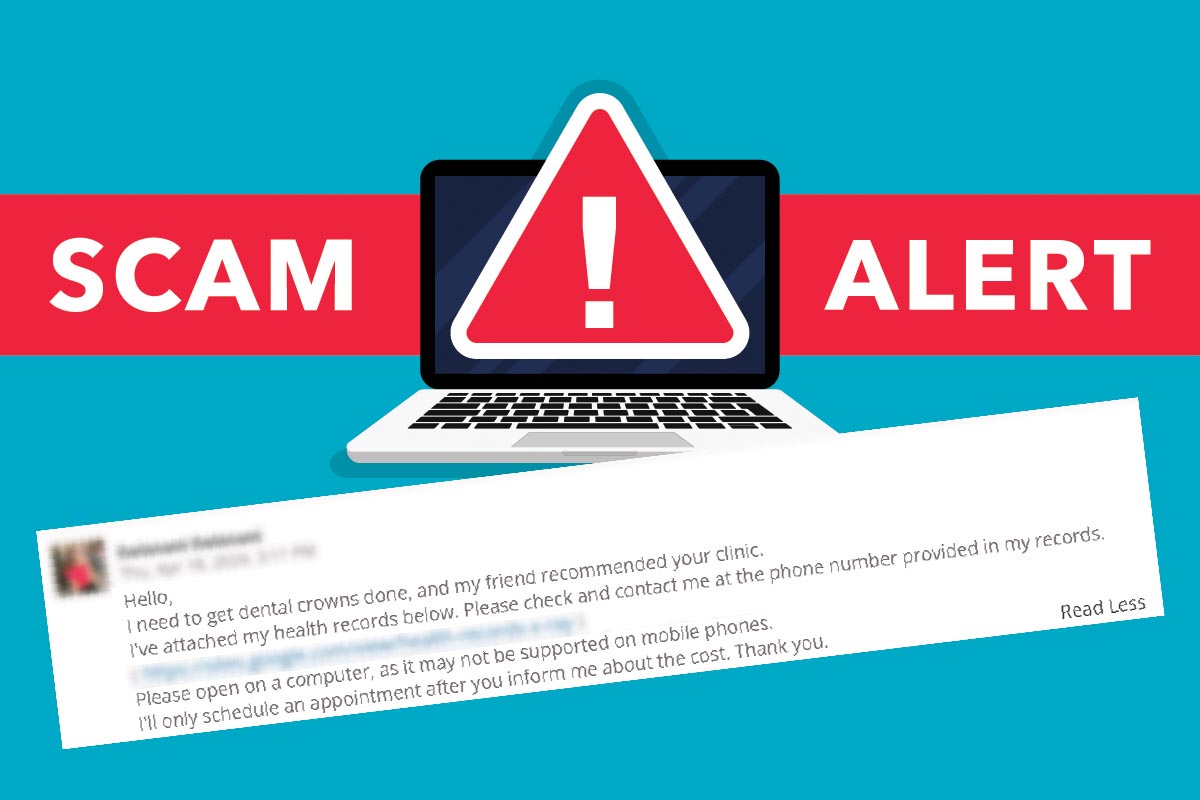
    Scammers targeting healthcare providers are often after one of two things: money or data. By sending a seemingly innocuous email with a request for service, like an inquiry about the cost of dental work accompanied by a link to “x-rays,” they bait providers into clicking on malicious links. These links can install spyware that can compromise your entire network, leading to data theft or ransomware attacks.

    The data held by healthcare professionals is particularly valuable. It includes personal health information (PHI), financial details, and other sensitive data that, if exposed, can lead to identity theft and significant financial loss for patients. Furthermore, for the scammers, obtaining access to a healthcare provider’s email can be a goldmine, as it may contain correspondence with patients, insurance companies, and other healthcare providers.

    The Perils of Clicking Unknown Links

    Clicking on an unknown link can have several repercussions:

    1. Spyware Installation: As mentioned, this can give scammers access to your system and sensitive information.
    2. Ransomware: This type of malware can lock you out of your system and demand a ransom for access restoration.
    3. Phishing: Scammers might use the information to impersonate you or your practice, tricking patients or other providers into providing sensitive information.
    4. Network Compromise: The breach can spread across your network, affecting not just one computer but your entire practice.

    HIPAA Compliance and Email Correspondence

    Under the Health Insurance Portability and Accountability Act (HIPAA), healthcare providers are required to protect patient information from unauthorized access or disclosure. This means that any communication containing PHI should be conducted through secure, encrypted channels. Reminding patients never to send sensitive medical information through unsecured channels is also part of maintaining HIPAA compliance.

    How to Spot Email Scams: Red Flags

    Here are some tell-tale signs that an email may be part of a scam:

    1. Unsolicited Attachments or Links: If you receive an email with unexpected attachments or links, be wary.
    2. Urgency or Threats: Scammers often create a sense of urgency or use threatening language to prompt hasty actions.
    3. Mismatched URLs: Hover over any links without clicking to see if the URL matches what you would expect.
    4. Poor Grammar and Spelling: Professional communications should not contain multiple grammar or spelling errors.
    5. Requests for Sensitive Information: Legitimate organizations will not ask for sensitive information via email.
    6. Sender’s Email Address: Check if the email comes from a public domain or a misspelled official domain.

    Real Client Example:

    Best Practices for Email Security

    To protect yourself and your practice from email scams:

    1. Educate Your Team: Make sure everyone in your practice knows how to recognize scam emails.
    2. Use Secure Communication Channels: Always use secure, encrypted methods for sending PHI.
    3. Implement Strong Password Policies: Use complex passwords and change them regularly.
    4. Keep Software Updated: Ensure all systems and antivirus software are up-to-date.
    5. Backup Data Regularly: Regular backups can help recover information in case of a ransomware attack.
    6. Verify Suspicious Requests: If an email request seems off, verify it through other communication means.
    7. Report and Delete Suspicious Emails: Report any scam attempts to appropriate authorities and delete the emails.

    While email communication is indispensable in today’s healthcare practices, it comes with significant risks that must be managed diligently. By staying vigilant, educating staff and patients, and implementing robust security measures, healthcare providers can protect themselves from the costly and damaging effects of email scams. Always prioritize HIPAA compliance and remember that when it comes to suspicious emails when in doubt, don’t click – verify first.