May 2025
NEWSLETTER
Check out this month’s articles >

Marketing Fun Facts
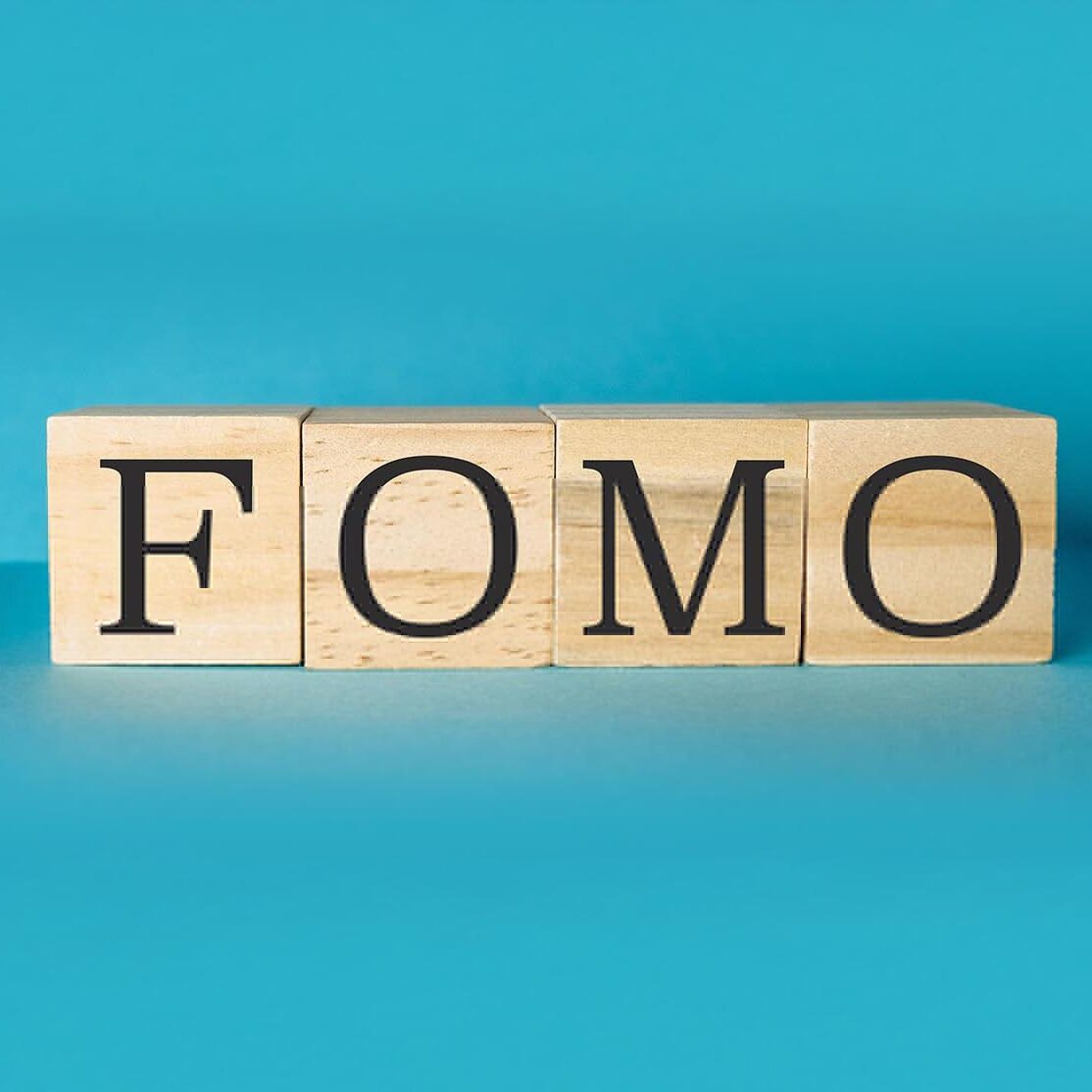
Harnessing FOMO in Healthcare Marketing

How to Handle Negative Reviews in Healthcare

Targeting Millennials: The Importance of Social Media Engagement

The Power of AI in Healthcare Marketing: Harnessing Innovation

Unlocking the Power of Data and Analytics
Marketing FUN FACTS
Email Still Reigns Supreme
Despite the rise of social media, email remains one of the most effective marketing tools. For every $1 spent on email marketing, businesses can expect an average return of $42, showcasing its continuing value.
The Influence of Music
Studies have shown that background music in stores can affect shopping behavior. For example, playing slow music can encourage customers to shop longer and spend more, while fast-paced music can lead to quicker purchases.
Targeting Millennials
Approximately 62% of millennials prefer to buy products from brands with a strong social media presence. This generation values transparency and engagement, making social platforms crucial for brand loyalty and outreach.
The Importance of Storytelling
Brands that use storytelling in their marketing tend to have a stronger emotional connection with their audience. Approximately 92% of consumers prefer ads that feel like a story, highlighting the effectiveness of narrative-driven marketing.
The 7-Second Rule
Research indicates that you have only about 7 seconds to grab a consumer’s attention before they move on. This emphasizes the importance of having compelling headlines and visuals in advertising to capture interest quickly.
Harnessing FOMO
(Fear of Missing Out) in Healthcare Marketing
In a world that is increasingly driven by digital interactions and instant gratification, the concept of FOMO, or the “Fear of Missing Out,” has emerged as a potent psychological motivator influencing consumer behavior across various industries. In recent years, the healthcare industry, traditionally known for its clinical and often conservative marketing strategies, has begun to embrace FOMO as a powerful marketing tool. By creating a sense of urgency and exclusivity, healthcare organizations can significantly enhance customer engagement and conversion rates, ultimately leading to better health outcomes for patients.
Understanding FOMO in the Digital Age
FOMO is a social phenomenon characterized by the feeling of anxiety that one is missing out on rewarding experiences that others are enjoying. This feeling is exacerbated in the digital age, where social media and online platforms constantly showcase people’s experiences, achievements, and promotions. According to a survey conducted by Eventbrite, around 60% of millennials experience FOMO, particularly when it comes to product promotions and exclusive offers.
When applied to marketing, FOMO can compel consumers to act quickly, driven by the fear that if they wait, they may miss out on a valuable opportunity. This tactic has been widely utilized in retail and e-commerce, but it has significant potential in healthcare marketing as well.
Why FOMO Works
- Perceived Scarcity: When products or services are presented as limited or scarce, potential customers may feel compelled to make a decision quickly. Scarcity can evoke a sense of urgency, pushing individuals to act before the opportunity disappears.
- Social Proof: Seeing others engage with a product or service often triggers FOMO. In healthcare, testimonials, patient success stories, and case studies serve as powerful tools of social proof, influencing prospects’ decisions.
- Exclusivity: In a healthcare context, offering exclusive trials, services, or packages can create a sense of belonging to a select group, enhancing the overall patient experience and driving engagement.
- Time-Limited Offers: Limited-time promotions trigger urgency, prompting immediate action. In healthcare, time-sensitive services like screenings or vaccination drives can encourage individuals to participate sooner rather than later.
Leveraging FOMO in Healthcare Marketing Strategies
Here’s how healthcare organizations can effectively incorporate FOMO into their marketing strategies:
- Limited-Time Promotions
Creating time-limited offers for services-such as health screenings, vaccinations, or wellness packages-can generate a sense of urgency. For instance, a clinic might offer a two-week promotion for discounted cholesterol screenings. By promoting this offer through social media channels, email newsletters, and on-site messaging, healthcare providers can motivate potential patients to act quickly to take advantage of the savings.
- Exclusive Health Programs
Healthcare organizations can create exclusive programs or memberships that provide unique benefits available only to a limited number of participants. For example, a health club could offer an exclusive membership tier that includes personalized health coaching, access to specialized classes, or priority scheduling for services. Promoting these exclusive offers can make consumers feel privileged and encourage them to sign up quickly before slots fill up.
- Community Engagement
Building a community around health topics can amplify the sense of FOMO. Hosting webinars, health fairs, or exclusive educational events can generate buzz and encourage participation. Promoting these events through social media channels, influencers, and community partnerships can magnify their reach and create urgency for individuals to join before the registration period closes.
- Testimonials and Success Stories
Showcasing patient success stories through video testimonials or case studies can create authenticity and social proof. When potential patients see others sharing their positive healthcare experiences, it creates a fear of missing out on similar benefits for themselves. These narratives should highlight limited-time successes (such as how a short-term program led to significant health improvements) to enhance the FOMO effect.
- Countdown Timers
Incorporating countdown timers in email marketing campaigns or on landing pages can visually represent urgency, reminding potential patients of impending deadlines for limited-time offers. For example, a healthcare provider could use a timer to showcase the remaining time to register for a discounted wellness check.
- Social Media Campaigns
Social media platforms are essential for showcasing limited-time offers and exclusive services. Engaging posts that highlight upcoming events, limited slots, or specific health challenges can create anticipation and FOMO among followers. Encouraging followers to share their experiences or tag friends can broaden the reach and further amplify the FOMO effect.
- Reminders and Follow-Ups
Implementing a system to follow up with potential patients about limited-time offers can enhance the effectiveness of FOMO marketing. Sending reminder emails or text messages a few days before an offer expires can prompt decision-making and convert interest into action.
- Early Bird Discounts
Offering early bird registration discounts for upcoming health programs or events can encourage quick sign-ups while simultaneously creating FOMO for those who might procrastinate. Mentioning that limited spots are available further enhances urgency.
Ethical Considerations in FOMO Marketing
While leveraging FOMO can be an effective strategy for healthcare marketing, it is essential to approach it ethically. Healthcare providers should ensure that the limited-time offers are genuinely beneficial to patients and not misleading. Transparency is paramount; consumers should have a clear understanding of the services offered, the costs involved, and any potential outcomes. Misleading promotions could damage consumer trust and lead to increased skepticism about healthcare marketing in general.
Measuring the Impact of FOMO Marketing Strategies
After implementing FOMO-driven marketing strategies, healthcare organizations should continually assess their effectiveness. Key performance indicators (KPIs) to track may include:
- Conversion Rates: Analyze the percentage of leads that turn into patients during FOMO campaigns.
- Engagement Metrics: Monitor social media engagement, email open rates, and event attendance.
- Patient Feedback: Collect feedback through surveys or reviews to understand patients’ perceptions of offers and services.
- Revenue Growth: Evaluate any increases in revenue or patient volume during and after campaigns.
In the competitive landscape of healthcare marketing, FOMO offers a powerful lever to enhance patient engagement and conversion rates. By creating urgency and exclusivity around their services, healthcare providers can motivate potential patients to take decisive actions toward improving their health. As healthcare organizations navigate this space, it is crucial to balance marketing strategies with ethical considerations to build lasting relationships based on trust and transparency. By effectively harnessing the power of FOMO, healthcare marketers can drive meaningful engagement and cultivate a community that values timely and proactive approaches to health and wellness.
See Why FOMO WorksMastering Reputation Management
How to Handle Negative Reviews in Healthcare
In the world of healthcare, reputation is everything. Patients and their families rely on trust when selecting a provider, and in today’s digital landscape, online reviews significantly influence that trust. For doctors, dentists, aesthetic practices, and veterinary offices, a few negative reviews can quickly tarnish a hard-earned reputation. However, the way you manage these reviews can not only mitigate their impact but also bolster your practice’s credibility in the eyes of potential patients.
We’ll discuss effective strategies for addressing negative online reviews, turning potentially harmful feedback into opportunities for growth, and maintaining a positive reputation in your community.
The Importance of Reputation Management
Studies show that 84% of people trust online reviews as much as personal recommendations. This means that potential patients are likely reading reviews before deciding to contact your practice. Beyond attracting new patients, maintaining a positive reputation is crucial for patient retention and satisfaction. In a field where care and empathy are paramount, a solid online reputation can become one of your most valuable assets.
Understanding Negative Reviews
Negative reviews can be disheartening, but they often arise from unmet expectations or miscommunications. Understanding the source of these reviews is the first step in addressing them effectively. Here’s why a thoughtful approach is imperative:
- Opportunity for Improvement: Negative feedback can provide insights into areas where your practice can enhance its services, processes, or communication.
- Public Perception: How you respond to negative reviews can change how prospective patients view your practice. A well-handled review can showcase your professionalism and commitment to patient care.
Strategies for Addressing Negative Online Reviews
Handling negative online reviews requires a strategic approach. Here are seven essential strategies to help you navigate this territory effectively.
- Stay Calm and Professional
Negative reviews can be personal and provoke strong emotions. The first step is to stay calm. Avoid responding impulsively, as this can escalate the situation. Take a break to assess the review thoroughly and formulate your response.
Strategies for Addressing Negative Online Reviews, cont.
- Acknowledge the Reviewer’s Experience
Each review represents a real patient’s experience, even if it’s negative. Start your response by acknowledging the reviewer’s concerns. For instance, you might say, “Thank you for your feedback. I’m sorry to hear that your experience did not meet your expectations.” This shows the reviewer-and others who read the response-that you take their feedback seriously.
- Respond Promptly
Timeliness is key when managing online reviews. Aim to respond within a few days to show that you are proactive and care about patient feedback. A swift response can prevent further escalation while demonstrating your commitment to quality care.
- Take the Conversation Offline
If the reviewer’s concerns warrant further discussion, invite them to discuss the matter privately. Provide a phone number or email address where they can reach you directly. This can help reduce the public visibility of the situation and allows for more personalized attention.
- Offer Solutions
If appropriate, offer a solution to the issue raised. This could be a refund, a complimentary service, or simply an invitation to revisit your practice. For example, you might write, “We would appreciate the opportunity to address your concerns. Please contact us at [phone number] so we can work towards a resolution.” Offering solutions demonstrates that you value patient satisfaction and are willing to make amends.
- Monitor Patterns and Assess Your Practice
Regularly monitor reviews to identify any recurring issues. If multiple reviews cite the same problem-such as long wait times or communication issues-it may be time to assess your internal processes. Addressing systemic issues not only improves patient satisfaction but may also reduce the likelihood of negative feedback in the future.
- Encourage Positive Reviews
Proactively encourage satisfied patients to leave positive reviews. This can help balance out negative feedback and improve your overall rating. Following up with patients after appointments is a great way to solicit feedback-consider sending follow-up emails or encouraging reviews during in-person visits.
The Benefits of Properly Responding to Negative Reviews
Handling negative reviews properly can transform a potentially damaging situation into a positive one. Here’s how:
- Build Trust: By addressing concerns professionally and compassionately, you demonstrate your commitment to patient care, which can build trust with both existing and potential patients.
- Showcase Your Values: Your response to reviews reflects your practice’s values. A thoughtful response can position your practice as compassionate, responsive, and patient-centered.
- Enhance SEO: Regularly responding to reviews can improve your online visibility and search engine optimization (SEO). Engaging with your audience shows that you are active and responsive, which can positively impact your online presence.
Conclusion
In the healthcare industry, managing your reputation is vital to the success of your practice. Negative reviews are inevitable, but your response can turn a challenging situation into an opportunity for growth. You can maintain a positive online reputation that resonates with current and prospective patients by employing effective strategies for addressing negative feedback, such as staying calm, acknowledging concerns, and offering solutions.
At AI Healthcare Marketing, we understand the unique challenges you face in managing your practice’s reputation. Our team is dedicated to helping healthcare providers like you enhance your online presence, monitor patient feedback effectively, and foster positive relationships with your patients.
If you’d like to learn more about our services and how we can assist you in reputation management, don’t hesitate to reach out. Together, let’s build a solid foundation for your practice’s reputation and success.
Thank you for trusting us as your partner in healthcare marketing!
Read MoreTargeting Millennials
The Importance of Social Media Engagement in Healthcare Marketing
In recent years, healthcare marketing has undergone a significant transformation, driven largely by the behaviors and preferences of millennials. Born between 1981 and 1996, this generation has become a primary consumer group, impacting various industries, including healthcare.
With approximately 62% of millennials preferring to buy products from brands with a strong social media presence, it’s crucial for healthcare organizations to adapt their marketing strategies to engage this digitally-savvy demographic. We’ll explain why a robust social media presence is essential for healthcare brands targeting millennials and offers actionable insights on how to effectively reach and engage this audience.
Understanding the Millennial Mindset
Millennials are characterized by their unique values and behaviors compared to previous generations. Having grown up during a time of rapid technological advancement and economic uncertainty, millennials are:
- Tech-Savvy: They are fluent in digital communications and rely heavily on social media, smartphones, and the internet for information and services.
- Health-Conscious: This generation places a high value on health and wellness, often prioritizing preventive care and holistic approaches to health.
- Value-Driven: Millennials prefer brands that align with their values, including sustainability, inclusivity, and transparency. They seek authenticity in brand interactions.
- Socially Responsible: Millennials are drawn to brands that demonstrate social responsibility, often researching how brands contribute to their communities and the environment.
The Role of Social Media in Healthcare Marketing
Social media has become a vital platform for engaging with millennials, influencing their purchasing decisions, and shaping their perceptions of healthcare brands. Here are several reasons why a strong social media presence is essential for healthcare organizations looking to reach this demographic:
- Building Trust through Transparency
Transparency is paramount for millennials. They want to know who they are engaging with and what a brand stands for. By maintaining an active and authentic social media presence, healthcare organizations can build trust through open communication and transparency. This can be achieved by:
- Sharing Patient Stories: Highlighting the experiences of real patients can humanize a healthcare brand and foster trust.
- Posting Educational Content: Providing valuable and actionable health information can position the organization as an authority in the field.
- Engaging with Followers: Responding to questions and comments demonstrates a commitment to patient care and builds trust.
- Providing Valuable and Relevant Content
Millennials appreciate relevant and useful content that adds value to their lives. Healthcare organizations can leverage social media to share informative posts on various health topics, including:
- Healthy Lifestyle Tips: Nutrition, exercise, and preventive care strategies.
- Mental Health Awareness: Addressing stigma and providing resources for mental well-being.
- Updates on Health Services: Information about new services, promotions, or events that pertain to the community.
Creating engaging infographics, videos, and live Q&A sessions can capture millennials’ attention while conveying critical health information.
- Enhancing Patient Engagement
Millennials prefer brands that actively engage with them rather than simply promoting services. A robust social media presence enables healthcare organizations to interact with their audience, fostering a sense of community. Strategies to enhance engagement include:
- Polls and Surveys: Encourage followers to share their opinions on health-related topics, creating two-way communication.
- Contests and Challenges: Organize health challenges that encourage participation and promote overall wellness. For instance, a “30-Day Fitness Challenge” can engage followers while raising awareness about physical health.
- Live Sessions: Hosting live Q&A webinars with healthcare professionals can provide millennials with immediate access to expert advice, positioning the brand as both approachable and knowledgeable.
- Leveraging User-Generated Content
User-generated content (UGC) plays a crucial role in building trust and expanding reach. Millennials are more likely to trust content that comes from their peers rather than the brand itself. Brands can encourage UGC by:
- Creating Hashtags: Encourage patients to share their experiences related to a specific health topic or treatment using a designated hashtag. This is an effective way to generate community engagement and promote patient stories.
- Sharing Testimonials: Highlighting testimonials from satisfied patients on social media can act as persuasive endorsements, further building trust with potential patients.
- Utilizing Social Media Advertising
With the rise of social media platforms comes the opportunity for targeted advertising. Healthcare organizations can utilize targeted ads to reach millennials based on their interests, behaviors, and demographics. Effective strategies include:
- Promoted Content: Enhancing posts related to health tips, local events, or new services can significantly boost visibility.
- Retargeting: Using pixels or tracking codes, organizations can retarget individuals who have interacted with their website or social media, reminding them of services or encouraging them to book appointments.
- Video Ads: Creative video content that addresses specific health issues or showcases patient testimonials can be particularly effective in grabbing the attention of millennials.
- Emphasizing Social Responsibility
Millennials value social responsibility and are more likely to support healthcare brands that demonstrate a commitment to community well-being. Healthcare organizations can leverage their social media presence to promote their initiatives, such as:
- Community Outreach Programs: Highlighting involvement in local charities, health fairs, or educational workshops can resonate with millennials who prioritize social impact.
- Sustainability Efforts: Sharing information about eco-friendly practices or initiatives can build rapport with environmentally-conscious millennials.
Best Practices for Engaging Millennials on Social Media
To maximize engagement and reach within the millennial demographic, healthcare organizations should adhere to specific best practices when building their social media strategy:
- Choose the Right Platforms
Not all social media platforms are created equal. Millennials tend to gravitate towards platforms like Instagram, Facebook, and Twitter. Each platform has its strengths:
- Instagram: Ideal for visual storytelling, infographics, and engaging videos related to health and wellness.
- Facebook: Effective for sharing community updates, event promotions, and longer posts or articles.
- Twitter: Useful for real-time communication, updates on health news, and engaging in health-related discussions.
- Be Authentic and Personable
A personable and authentic voice can set a brand apart. Ensure all social media communications reflect the organization’s values, and engage with followers as real people, not just faceless brands. This can involve responding thoughtfully to comments, engaging in discussions, and addressing both praise and criticism publicly.
- Monitor and Respond to Feedback
Social media is a platform for conversation. Monitor mentions of the brand and respond timely to both positive and negative feedback. This level of responsiveness enhances brand reputation and signals to potential patients that their voices are valued.
- Analyze and Adapt
Regularly analyze social media metrics to understand what types of content resonate most with millennials. Use insights gained from engagement metrics to adapt strategies, ensuring that the marketing approach remains relevant and effective.
To successfully target millennials in the healthcare industry, organizations must recognize the importance of a strong social media presence. This generation values engagement, transparency, and authenticity, making it essential for healthcare brands to actively participate in meaningful conversations on relevant platforms. By tailoring marketing strategies to meet these preferences, healthcare organizations can not only enhance brand loyalty but also foster a healthier, more informed community. Ultimately, embracing social media as a crucial component of healthcare marketing can lead to improved patient engagement, increased patient volume, and a positive impact on overall health outcomes.
Learn MoreThe Power of AI in Healthcare Marketing
Harnessing Innovation for Practice Growth
As the healthcare landscape continues to evolve, one undeniable truth has emerged: artificial intelligence (AI) is here to stay. AI technologies have reshaped various sectors, from patient diagnostics to operational efficiencies, and now, they are making a significant impact on marketing strategies in the healthcare industry. However, while AI presents exciting opportunities for practice growth and enhanced patient engagement, it also poses risks for those who do not implement it correctly.
At AI Healthcare Marketing, we understand that navigating the world of AI can be daunting for healthcare providers. In this newsletter, we will discuss how AI can be a powerful tool for marketing your practice, the potential pitfalls of incorrect application, and the importance of partnering with a specialized marketing company to maximize your success in this evolving landscape.
The Transformative Power of AI in Healthcare Marketing
AI offers numerous advantages that can revolutionize how practices connect with patients, streamline operations, and ultimately enhance their bottom line. Here are some key benefits of integrating AI into your marketing strategy:
- Enhanced Data Analysis and Insights
One of the most significant advantages of AI is its ability to process vast amounts of data quickly and accurately. By leveraging AI tools, practices can gain deeper insights into patient behaviors, preferences, and demographic trends. This allows for more targeted marketing campaigns that resonate with your audience, leading to higher engagement and patient acquisition.
- Personalized Patient Experiences
Patients today expect personalized interactions that cater to their individual needs. AI enables healthcare marketers to create tailored experiences through targeted advertising and content personalization. For example, AI algorithms can analyze patient histories and preferences to deliver relevant messaging, promotions, and educational materials, enhancing patient satisfaction and loyalty.
- Predictive Analytics
Utilizing AI for predictive analytics can help practices anticipate patient needs and preferences. By analyzing data from various sources, AI can identify trends and predict future patient behaviors, allowing healthcare providers to proactively address concerns, optimize service offerings, and improve overall patient engagement.
- Automated Marketing Processes
AI-powered tools can automate many aspects of marketing, including social media posting, patient follow-up emails, and appointment reminders. Automation saves time, reduces manual error, and ensures a consistent brand presence across various platforms. Additionally, AI can help chatbots manage patient inquiries, providing instant responses to common questions and enhancing patient engagement.
- Cost-Effectiveness
In the long run, AI can lead to more efficient marketing strategies, resulting in reduced costs. By optimizing ad spend, improving conversion rates, and enhancing customer retention through targeted campaigns, practices can achieve a higher return on investment (ROI) on their marketing efforts.
The Risks of Misusing AI in Marketing
While the benefits of AI are compelling, there are also significant risks associated with its misuse in marketing strategies. Here are some common pitfalls that practices should be aware of:
- Over-automation
One of the risks of relying too heavily on AI is the potential for over-automation. While automation can streamline processes, it can also diminish the human touch that patients expect in healthcare settings. Automated responses that lack personalization can lead to dissatisfaction and disengagement. Striking the right balance between automation and personal interaction is essential to maintain positive patient relationships.
- Misinterpretation of Data
AI is only as effective as the data it analyzes. Inaccurate or biased data can lead to misguided marketing strategies that alienate your audience rather than engage them. Healthcare practices must ensure they are using high-quality data and that they have staff trained to interpret AI-generated insights accurately.
- Neglecting the Pathway of Patient Journey
AI can provide valuable insights, but it’s essential to consider the entire patient journey. Focusing solely on data analysis without understanding the unique needs of patients at each step can result in missed opportunities and ineffective marketing campaigns. Effective marketing strategies should integrate AI insights with a thorough understanding of the patient experience.
- Failing to Adapt to Change
AI technologies are continually evolving, and healthcare practices that fail to keep up risk falling behind. Staying informed about the latest advancements and trends in AI is crucial to leveraging its full potential in marketing efforts.
The Benefits of Partnering with a Specialized Marketing Company
Given the complexities of AI and its application in healthcare marketing, working with a specialized marketing company like AI Healthcare Marketing can be invaluable. Here’s how we can help you navigate this new landscape effectively:
- Expert Guidance and Strategy Development
Our team of experts understands the intricacies of AI technology. We work collaboratively with healthcare practices to develop tailored marketing strategies that align with their goals while effectively utilizing AI tools for optimal results.
- Data Management and Analysis
AI Healthcare Marketing can help you manage and analyze your patient data responsibly. We ensure that your marketing campaigns are built on accurate insights, maximizing their effectiveness and reducing misinterpretations that could harm your practice.
- Balancing Automation and Human Touch
We understand modern patients value both convenience and meaningful interactions. Our strategies leverage automation where appropriate while ensuring that personalization and human engagement remain a priority.
- Ongoing Support and Adaptation
AI and marketing trends are ever-changing. Our team continuously monitors the latest advancements in AI and provides ongoing support to ensure your practice adapts and thrives in this dynamic environment.
- Measurable Results and ROI
We focus on delivering measurable results for your practice. By monitoring key performance metrics and adjusting strategies as needed, we ensure you achieve high ROI on your marketing efforts.
Conclusion
As a healthcare provider, embracing the power of AI in your marketing strategy is not just an option; it’s a necessity for future growth. However, without the necessary expertise and guidance, your practice could inadvertently fall victim to the pitfalls associated with AI misuse.
At AI Healthcare Marketing, our mission is to empower healthcare practices to harness the full potential of AI. Our team of professionals is committed to helping you navigate the complexities of AI and marketing, ensuring that you stay ahead of the competition while fostering meaningful relationships with your patients.
If you are ready to transform your marketing strategy and ensure your practice thrives in the age of AI, contact us today. Together, we can create a robust marketing plan that leverages the power of AI to enhance patient engagement and drive practice growth.
The Risks of Misusing AI in MarketingUnlocking the Power of Data and Analytics
In Healthcare Marketing

In today’s fast-paced healthcare environment, understanding and utilizing data effectively is crucial for medical practice success. With the sheer volume of patient information available, leveraging this data can help practices engage patients more meaningfully, improve care, and create targeted marketing strategies that resonate with their audience.
Whether you are a doctor, dentist, aesthetic practitioner, or veterinarian, understanding patient data and key metrics is essential for enhancing your marketing efforts and ultimately growing your practice.
In this blog, we’ll delve into how to effectively use patient data for targeted marketing and improved outreach, discuss key metrics healthcare providers should monitor, and explore how AI Healthcare Marketing can assist you in harnessing the power of data for practice growth.
Understanding Patient Data
Patient data encompasses various types of information, including demographic data, medical histories, treatment preferences, and patient feedback. By organizing and analyzing this data, healthcare providers can gain valuable insights that can drive targeted marketing campaigns and improve patient experiences.
- Segmenting Your Patient Base
To effectively utilize patient data, start by segmenting your patient base into meaningful categories:
- Demographics: Age, gender, location, and income can influence healthcare decisions and marketing messaging. For instance, younger patients may be more engaged through digital channels, while older demographics might prefer traditional communication methods.
- Treatment History: Analyze patients based on their treatment history. This allows you to reach out with targeted promotions or follow-ups related to previous services, increasing the likelihood of returning patients.
- Engagement Levels: Segment patients based on their interactions with your practice. Identify active patients who regularly attend appointments and follow-ups versus those who have become inactive. Tailored outreach for these groups can significantly boost engagement.
- Personalizing Marketing Efforts
Once you have segmented your patient base, use that information to personalize your marketing messages. Personalized communication improves engagement, as it resonates more with patients’ unique needs and preferences.
- Email Campaigns: Use patient data to craft personalized email campaigns. For example, if a patient has previously received cosmetic treatments, consider sending them information about new procedures or special offers that align with their interests.
- Targeted Promotions: Utilize your data insights to launch targeted promotions aimed at specific groups. For instance, offer a discount on dental cleanings for families with young children, or promote vaccinations specifically to pet owners in your veterinary practice.
- Improving Patient Outreach
Using patient data effectively can enhance your outreach efforts. Here are some strategies that can improve your patient engagement:
- Automated Reminders: Implement automated appointment reminders through SMS or email based on patient data. Tailoring reminders based on a patient’s history (e.g., a person who often reschedules might receive reminders sooner) can help reduce no-shows and improve patient retention.
- Feedback Collection: Regularly analyze patient feedback and satisfaction surveys. Use this information to fine-tune your services and marketing efforts. For instance, if multiple patients express interest in telehealth services, consider highlighting these options in your marketing campaigns.
- Follow-Up Protocols: Establish follow-up protocols for patients after consultations or treatments. This could involve sending personalized thank-you emails, checking in on treatment progress, or asking for feedback to reinforce rapport.
Key Metrics to Watch in Healthcare Marketing
To gauge the effectiveness of your marketing campaigns, it’s essential to monitor key performance metrics. Here are some crucial metrics every healthcare provider should pay attention to:
- Patient Acquisition Cost (PAC)
Understanding how much you’re spending to acquire a new patient is essential for assessing the cost-effectiveness of your marketing efforts. Calculate PAC by dividing the total marketing expenses by the number of new patients acquired in a given period. Monitoring this metric helps practices allocate their budgets wisely and refine their marketing strategies for better performance.
- Patient Engagement Metrics
Engagement metrics reflect how well your audience interacts with your content and communications:
- Open and Click Rates: Monitor email open rates and click-through rates for your email campaigns. High open rates signify effective subject lines, while high click rates indicate your content resonates with readers.
- Social Media Engagement: Analyze social media likes, shares, comments, and follower growth. Increased engagement can indicate that your content is relevant and valuable to your audience.
- Conversion Rates
Conversion rates measure the percentage of patients who take a desired action, such as scheduling an appointment or signing up for a newsletter. By tracking conversion rates from different marketing channels, you can identify which strategies are most effective and optimize your campaigns for better results.
- Return on Investment (ROI)
ROI is a fundamental metric that helps assess the profitability of your marketing efforts. Calculate ROI by subtracting the total marketing costs from the revenue generated by new patients, then dividing by the costs. A positive ROI indicates effective marketing tactics, while a negative ROI highlights areas needing improvement.
- Patient Retention Rate
The retention rate measures the percentage of patients who continue receiving services at your practice over a set period. High retention rates indicate patient satisfaction and loyalty, while low rates may signal issues that need addressing. Focus on improving retention strategies, such as regularly checking in with patients and personalizing their experiences.
- Patient Lifetime Value (PLV)
Understanding the perceived lifetime value of your patients helps prioritize your marketing efforts. PLV estimates the total revenue a patient will generate over their entire relationship with your practice. Higher PLV patients indicate a more productive relationship, often justifying investing more in retaining them.
Conclusion
Incorporating data and analytics into your marketing strategy is essential for modern healthcare practices. By understanding and utilizing patient data, you can create personalized marketing campaigns that resonate with your audience, improve patient outreach efforts, and monitor key metrics that gauge the success of your initiatives.
At AI Healthcare Marketing, we specialize in helping healthcare providers harness the power of data analytics. Our team is dedicated to assisting you in transforming patient data into actionable insights that drive growth and enhance patient experiences. From personalized marketing strategies to in-depth performance analysis, we can help you achieve your practice’s marketing goals.
If you’d like to learn more about how we can help your practice utilize data and analytics effectively, don’t hesitate to reach out. Together, let’s unlock the potential of your patient data to elevate your marketing efforts and improve patient care.
Understanding Patient Data