Category: Healthcare Marketing

  • The Hidden Cost of an Outdated Website

    The Hidden Cost of an Outdated Website

    It’s Not Just an Old Website… It’s a Missed Opportunity.

    One of the most common things we hear from healthcare providers is:

    “Our website still works.”

    And in many cases, they’re right.

    The pages load.

    The phone number is there.

    Patients can find the address.

    Nothing appears to be broken.

    But here’s the question every practice owner should ask:

    Is your website simply online… or is it actively helping your practice grow?

    Those are two very different things.

    An outdated website doesn’t usually fail all at once. Instead, it slowly costs your practice opportunities every single day, often without you ever realizing it.

    Your Website Is Your First Impression

    Years ago, patients often learned about a practice through a referral before they ever saw the office.

    Today, things have changed.

    For many people, your website is their first introduction to your practice.

    Before they call…

    Before they schedule…

    Before they walk through your doors…

    They’ve already formed an opinion.

    In just a few seconds, they’re asking themselves questions like:

    • Does this practice look professional?
    • Is the information current?
    • Can I trust this provider?
    • Does the office feel welcoming?
    • Is this someone I’d feel comfortable visiting?

    Whether we like it or not, patients make these decisions quickly.

    Your website is speaking long before anyone on your staff answers the phone.

    An Outdated Website Can Quietly Cost You New Patients

    Patients don’t usually call to say,

    “I didn’t choose your practice because your website looked outdated.”

    They simply move on.

    They click the next listing.

    Visit another website.

    Schedule somewhere else.

    You never know they were there.

    That’s why outdated websites are so expensive.

    They lose opportunities silently.

    Trust Begins Online

    Think about your own habits.

    When you’re looking for a new business, do you visit their website?

    Most of us do.

    If the website feels neglected…

    Has broken links…

    Old photos…

    Information that’s years out of date…

    Or doesn’t work well on your phone…

    You naturally begin to wonder:

    “If they don’t maintain their website, what else aren’t they maintaining?”

    That may not be a fair assumption.

    But it’s a very human one.

    Healthcare depends on trust.

    Your website should reinforce confidence—not create doubt.

    Mobile Isn’t the Future, It’s the Standard

    Today, the majority of healthcare searches begin on a smartphone.

    Patients may be:

    Looking up directions.

    Searching for office hours.

    Reading reviews.

    Scheduling appointments.

    Researching symptoms.

    Comparing providers.

    If your website is difficult to navigate on a phone, requires constant zooming, or loads slowly, patients often leave before they’ve even learned about your practice.

    Your mobile experience isn’t just a convenience anymore.

    It’s an expectation.

    Search Engines Have Changed

    Search engine optimization isn’t what it was ten years ago.

    Today, search engines evaluate much more than keywords.

    They look at:

    • Website performance.
    • Mobile usability.
    • Page speed.
    • Helpful content.
    • User experience.
    • Security.
    • Accessibility.
    • Freshness of information.
    • Technical quality.

    Artificial intelligence is also changing how patients discover healthcare providers.

    Practices with informative, trustworthy, well-maintained websites are in a stronger position to appear in AI-generated search experiences and modern search results.

    Simply having a website is no longer enough.

    It needs to provide value.

    Patients Expect Answers

    Today’s patients want information before they make an appointment.

    They want to know:

    Who are the providers?

    What services are offered?

    What should they expect?

    Do you accept their insurance?

    How do they schedule?

    What makes your practice different?

    An outdated website often leaves these questions unanswered.

    When patients can’t find answers, they usually keep searching.

    Your Website Never Takes a Day Off

    Unlike your office, your website works around the clock.

    It represents your practice:

    Early in the morning.

    Late at night.

    On weekends.

    During holidays.

    While your team is helping patients in the office.

    It’s answering questions, introducing your providers, and encouraging prospective patients to take the next step.

    Or…

    It’s missing those opportunities.

    Security Matters More Than Ever

    Website technology has evolved significantly.

    Older websites may contain outdated software, unsupported plugins, or security vulnerabilities that increase the risk of cyberattacks.

    Protecting patient information begins long before someone enters protected health information.

    Maintaining a secure, updated website helps protect your business, your reputation, and the confidence patients place in your practice.

    Accessibility Benefits Everyone

    An effective healthcare website should be easy for everyone to use.

    Clear navigation.

    Readable fonts.

    Good color contrast.

    Alternative text for images.

    Logical organization.

    Accessibility isn’t simply about compliance.

    It’s about making healthcare information available to every patient who needs it.

    That’s good business and it’s the right thing to do.

    Your Website Should Grow With Your Practice

    Your practice changes over time.

    New providers join your team.

    Services expand.

    Technology improves.

    Community involvement grows.

    Patient education evolves.

    Your website should reflect those changes.

    An outdated website often tells yesterday’s story instead of today’s.

    A Modern Website Builds Confidence

    A great healthcare website doesn’t need flashy animations or complicated features.

    It simply needs to accomplish a few important goals exceptionally well.

    It should:

    • Build trust.
    • Answer questions.
    • Make scheduling easy.
    • Showcase your team.
    • Educate patients.
    • Reflect your professionalism.
    • Perform well on every device.
    • Support search visibility.
    • Prepare your practice for the future of AI-powered search.

    When those pieces come together, your website becomes much more than an online brochure.

    It becomes one of your hardest-working employees.

    Is It Time for a Website Checkup?

    Healthcare providers encourage patients to schedule regular checkups because small problems are easier to address before they become larger ones.

    Your website deserves the same attention.

    Ask yourself:

    • Is our content current?
    • Are our provider biographies up to date?
    • Does our site perform well on mobile devices?
    • Is it secure?
    • Is it easy to navigate?
    • Does it reflect who we are today?
    • Would I choose this practice based on this website?

    If the answer to any of those questions gives you pause, it may be time for a closer look.

    How Ai Healthcare Marketing Can Help

    For more than 30 years, Ai Healthcare Marketing has helped healthcare practices build websites that do more than simply exist online, they work as powerful tools for growth. We combine thoughtful design, search engine optimization, patient-focused content, security best practices, mobile responsiveness, and AI-ready strategies to create websites that inspire confidence and help patients take the next step.


    Your website is often the first handshake a patient has with your practice.
    Let’s make sure it’s making the right first impression.

  • Your Practice May Have a Branding Problem, Not a Marketing Problem

    Your Practice May Have a Branding Problem, Not a Marketing Problem

    One of the most common frustrations healthcare practices experience is this:
    “We are spending money on marketing, but we are not seeing the growth we expected.”

    So practices often react by:

    • increasing ad budgets 
    • posting more on social media 
    • redesigning websites 
    • trying new SEO companies 
    • boosting posts 
    • running promotions 
    • testing new software 

    And while those things may help temporarily, many practices eventually realize something surprising:

    The problem may not actually be the marketing.

    It may be the brand itself.

    At Ai Healthcare Marketing, we have spent nearly 30 years helping healthcare practices grow, and one of the biggest misconceptions we see is practices confusing “marketing” with “branding.”

    The two work together, but they are not the same thing.

    Marketing gets attention.

    Branding determines how people feel once they notice you.

    And if the branding is unclear, inconsistent, outdated, disconnected, or emotionally weak, even strong marketing campaigns can struggle to create lasting growth.

    Marketing Gets Patients Interested, Branding Builds Trust

    Think of marketing as the invitation.

    Branding is the experience people remember afterward.

    Marketing helps patients:

    • discover your practice 
    • see your ads 
    • visit your website 
    • read your content 
    • call your office 

    But branding shapes:

    • emotional perception 
    • trust 
    • comfort 
    • confidence 
    • memorability 
    • reputation 
    • loyalty 

    In healthcare especially, patients are not just choosing services.

    They are choosing people they trust with:

    • their health 
    • their appearance 
    • their families 
    • their children 
    • their pets 
    • their fears 
    • their vulnerabilities 

    That emotional decision-making matters enormously.

    Many Practices Look Fine, But Feel Forgettable

    This is one of the hardest truths in healthcare marketing.

    A practice may technically “look professional” but still fail to create a memorable emotional connection.

    Patients may visit the website and think:

    “It seems okay.”

    But “okay” rarely creates excitement, trust, or loyalty.

    Strong branding creates a feeling.

    Patients should immediately begin sensing:

    • personality 
    • professionalism 
    • warmth 
    • confidence 
    • consistency 
    • trustworthiness 
    • uniqueness 

    Without that emotional identity, practices often blend into the sea of competitors surrounding them.

    And in today’s crowded healthcare environment, blending in is dangerous.

    Branding Is More Than a Logo

    This is one of the biggest misunderstandings in marketing.

    When many practices hear the word “branding,” they think:

    • logo design 
    • colors 
    • fonts 
    • graphics 

    Those elements matter.

    But real branding goes much deeper.

    Branding is:

    • how your office feels 
    • how your phones are answered 
    • how patients are greeted 
    • how your team communicates 
    • your reputation online 
    • your consistency 
    • your office atmosphere 
    • your provider personality 
    • your professionalism 
    • your follow-up process 
    • your patient experience 

    In other words:
    Your brand is the emotional reputation your practice creates.

    Whether intentional or not.

    Patients Notice Inconsistency Immediately

    One of the clearest signs of a branding problem is inconsistency.

    For example:

    • the website looks modern but the office feels outdated 
    • social media feels warm but the front desk feels cold 
    • ads feel high-end but communication feels rushed 
    • the practice promises personal care but patients feel processed 

    Patients notice these disconnects immediately.

    And when experiences feel disconnected, trust weakens.

    This is why some practices invest heavily into marketing but still struggle converting or retaining patients.

    Because the messaging and the actual experience are not aligned.

    Strong brands create consistency everywhere.

    Your Team Is One of the Biggest Parts of Your Brand

    This cannot be overstated.

    Patients judge practices heavily based on:

    • friendliness 
    • communication 
    • professionalism 
    • office energy 
    • empathy 
    • appearance 
    • responsiveness 

    A practice may spend thousands building a beautiful brand online, but if patients encounter:

    • rushed communication 
    • disorganization 
    • poor attitudes 
    • lack of warmth 

    …the brand experience falls apart quickly.

    Patients often remember:

    • how they were treated 
    • how welcome they felt 
    • how staff communicated 
    • how comfortable they felt 

    more than specific marketing campaigns.

    This is why internal culture and branding are deeply connected.

    Your team represents your brand every single day.

    Branding Affects Perceived Value

    This is especially important for practices struggling with pricing pressure.

    Patients do not evaluate value based only on cost.

    They evaluate:

    • trust 
    • confidence 
    • presentation 
    • professionalism 
    • experience 
    • communication 
    • reputation 

    Strong branding increases perceived value.

    Weak branding creates hesitation.

    That means two practices offering similar services may be perceived very differently simply because one feels:

    • more trustworthy 
    • more polished 
    • more organized 
    • more welcoming 
    • more credible 

    This directly impacts:

    • scheduling 
    • treatment acceptance 
    • referrals 
    • retention 
    • long-term growth 

    Marketing Cannot Fully Compensate for Weak Branding

    This is where many practices become frustrated.

    They believe:

    “We just need more marketing.”

    But if the underlying brand experience feels unclear or inconsistent, increased marketing often only amplifies the problem.

    More traffic does not automatically create more trust.

    More visibility does not guarantee more connection.

    In fact, practices sometimes spend heavily on advertising while unintentionally losing patients because:

    • branding feels generic 
    • messaging lacks personality 
    • patient experience feels disconnected 
    • the office lacks emotional identity 

    That is why branding should never be treated as an afterthought.

    Patients Want to Feel Something

    Healthcare decisions are emotional.

    Patients want to feel:

    • reassured 
    • safe 
    • welcomed 
    • respected 
    • understood 
    • comfortable 

    This emotional layer is often what separates practices that grow steadily from practices that constantly struggle for attention.

    Strong brands create emotional familiarity.

    Patients begin feeling:

    “This feels like the kind of place I would trust.”

    That feeling matters far more than many practices realize.

    Your Online Presence Should Match Your Real-World Experience

    One of the biggest branding mistakes practices make is creating disconnected identities online.

    For example:

    • overly generic websites 
    • stock photography 
    • robotic messaging 
    • inconsistent visuals 
    • weak provider bios 
    • outdated content 

    Patients want authenticity.

    They want to feel like there are real people behind the practice.

    The strongest healthcare brands often communicate:

    • personality 
    • warmth 
    • culture 
    • professionalism 
    • patient-centered care 

    without feeling overly corporate or artificial.

    And that balance is incredibly important today because patients are becoming increasingly sensitive to content that feels fake or generic.

    Branding Is Built Through Repetition and Consistency

    Great brands are not built overnight.

    They are built through consistent experiences over time.

    Patients should experience the same core feeling:

    • online 
    • on social media 
    • on the phone 
    • in the office 
    • during treatment 
    • during follow-up communication 

    That consistency creates trust.

    And trust creates:

    • loyalty 
    • referrals 
    • stronger reviews 
    • repeat visits 
    • higher treatment acceptance 

    Practices that constantly change messaging, visuals, tone, or identity often struggle to build lasting recognition.

    Strong Branding Reduces Marketing Friction

    This is where branding becomes incredibly powerful.

    When branding is strong:

    • marketing feels easier 
    • referrals increase naturally 
    • reviews improve 
    • social media becomes more engaging 
    • patient trust builds faster 
    • advertising performs better 

    Because patients already feel emotional confidence in the practice.

    That means branding is not just about appearance.

    It directly impacts marketing performance itself.

    The Practices Growing Strongest Usually Understand Their Identity

    One thing we consistently notice among highly successful practices is this:

    They know who they are.

    Their branding feels:

    • clear 
    • intentional 
    • consistent 
    • emotionally aligned 

    Patients understand:

    • what the practice stands for 
    • what experience to expect 
    • how they will likely feel there 

    That clarity creates trust quickly.

    And trust drives growth.

    Final Thoughts

    Not every practice struggling with growth has a marketing problem.

    Sometimes the deeper issue is branding.

    Because in today’s healthcare environment, patients are not simply evaluating:

    • credentials 
    • procedures 
    • services 

    They are evaluating:

    • trust 
    • professionalism 
    • emotional comfort 
    • consistency 
    • reputation 
    • communication 
    • patient experience 

    At Ai Healthcare Marketing, we help healthcare practices look beyond ads and algorithms to build brands that patients genuinely connect with, because long-term growth happens when marketing and patient experience work together to create trust.

    And sometimes the biggest breakthrough for a practice is realizing they do not need louder marketing.
    They need a stronger brand behind it.

  • Why Great Practices Still Struggle to Grow

    Why Great Practices Still Struggle to Grow

    One of the most frustrating realities in healthcare is this:
    Some truly excellent practices struggle to grow.

    Not because they lack skill.
    Not because they do poor work.
    Not because patients are unhappy.

    In many cases, these are highly talented providers who genuinely care about their patients and deliver exceptional care every single day.

    Yet they still find themselves asking:

    • “Why aren’t we busier?” 
    • “Why aren’t we growing faster?” 
    • “Why are competitors outperforming us?” 
    • “Why does it feel harder than it should?” 

    At Ai Healthcare Marketing, we have seen this pattern for nearly 30 years across healthcare industries including dental, medical, aesthetic, veterinary, and specialty practices.

    And the answer is often difficult to hear:

    Being great clinically is no longer enough by itself.

    That may sound unfair.
    But it is the reality of modern healthcare marketing.

    Today’s patients do not just choose providers based on credentials or clinical ability alone. They choose based on perception, experience, trust, convenience, consistency, communication, and emotional comfort.

    In other words:
    Patients are not only evaluating your care.

    They are evaluating your entire brand experience.

    The Best Provider Does Not Always Win

    Most healthcare professionals entered their field because they wanted to help people.

    They focused on:

    • education 
    • certifications 
    • training 
    • technology 
    • patient outcomes 
    • clinical excellence 

    And all of those things absolutely matter.

    But many practices assume:

    “If we do great work, patients will naturally come.”

    Years ago, that may have been more true.

    Today, healthcare consumers behave differently.

    Patients now research providers the same way they research:

    • restaurants 
    • hotels 
    • contractors 
    • products 
    • experiences 

    Before they ever contact your office, they are already judging:

    • your website 
    • reviews 
    • photos 
    • office appearance 
    • social media presence 
    • responsiveness 
    • branding 
    • online reputation 

    And fair or not, first impressions happen fast.

    Sometimes within seconds.

    Patients Are Overwhelmed With Choices

    Healthcare competition has changed dramatically.

    Most markets are now crowded with:

    • aggressive advertising 
    • social media campaigns 
    • Google Ads 
    • sponsored listings 
    • video marketing 
    • influencers 
    • reputation campaigns 
    • automated patient systems 

    Patients are constantly being exposed to healthcare messaging.

    That creates noise.

    And when patients feel overwhelmed, they often make decisions emotionally instead of logically.

    That means factors like:

    • comfort 
    • trust 
    • familiarity 
    • professionalism 
    • convenience 
    • personality 
    • confidence 

    …play a larger role than many providers realize.

    A practice may deliver incredible care, but if patients never feel emotionally connected to the brand, growth can stall.

    Visibility Matters, Even for Excellent Practices

    One of the hardest truths in healthcare marketing is this:

    You can be amazing at what you do and still remain invisible.

    Many practices rely heavily on:

    • word-of-mouth 
    • referrals 
    • reputation alone 

    While referrals are incredibly valuable, relying on them exclusively can create inconsistent growth patterns.

    Modern patients are searching online constantly.

    They are looking for:

    • answers 
    • reassurance 
    • convenience 
    • reviews 
    • provider personality 
    • expertise 
    • educational content 

    If your practice lacks visibility online, patients may never discover you in the first place.

    And unfortunately, many outstanding providers lose patients to practices with better marketing, not necessarily better care.

    Growth Problems Are Often Internal, Not External

    This surprises many practices.

    They assume growth struggles are caused by:

    • bad advertising 
    • poor SEO 
    • weak social media 
    • low marketing budgets 

    Sometimes those issues exist.

    But very often, the deeper problems involve:

    • inconsistent patient experiences 
    • slow follow-up 
    • poor phone handling 
    • unclear branding 
    • weak communication 
    • staff burnout 
    • lack of systems 
    • disconnected messaging 

    Marketing may attract attention.

    But the internal experience determines whether patients stay, return, and refer others.

    This is why sustainable growth requires more than simply “running ads.”

    It requires alignment.

    Patients Notice Inconsistency Immediately

    One of the biggest reasons practices struggle to grow is inconsistency.

    For example:

    • the website feels modern but the office feels outdated 
    • online messaging sounds warm but the staff feels rushed 
    • social media appears engaging but phones go unanswered 
    • advertising promises convenience but scheduling is difficult 

    Patients notice disconnects quickly.

    And when experiences feel inconsistent, trust weakens.

    Strong brands create continuity.

    Patients should feel the same core message:

    • online 
    • on the phone 
    • in the office 
    • during treatment 
    • during follow-up communication 

    Consistency builds confidence.

    And confidence drives growth.

    Many Practices Underestimate the Emotional Side of Healthcare

    Healthcare decisions are deeply emotional.

    Patients are often:

    • anxious 
    • embarrassed 
    • fearful 
    • overwhelmed 
    • stressed 
    • uncertain 

    Even patients seeking elective or aesthetic procedures often experience emotional vulnerability during the decision-making process.

    That means patients are not simply evaluating:

    “Who has the best credentials?”

    They are also asking:

    • “Who makes me feel comfortable?” 
    • “Who seems trustworthy?” 
    • “Who listens?” 
    • “Who feels approachable?” 
    • “Who treats me like a person instead of a number?” 

    Practices that understand emotional marketing consistently outperform those that focus only on technical expertise.

    Because patients remember how they felt long after appointments are over.

    The Patient Experience Is Now Part of Marketing

    This is one of the biggest shifts in healthcare today.

    Marketing no longer ends when the phone rings.

    Everything becomes part of the marketing experience:

    • online scheduling 
    • front desk communication 
    • office atmosphere 
    • wait times 
    • follow-up systems 
    • provider communication 
    • billing interactions 
    • treatment explanations 

    Patients talk about these experiences constantly.

    They leave reviews about them.
    They recommend practices because of them.
    They avoid practices because of them.

    Word-of-mouth today spreads both online and offline at incredible speed.

    That means patient experience is no longer separate from marketing.

    It IS marketing.

    Great Practices Often Fail to Tell Their Story

    This is another major issue.

    Many highly skilled providers are humble.

    They do not want to:

    • self-promote 
    • appear sales-focused 
    • market aggressively 

    While that mindset is understandable, it can unintentionally hurt growth.

    Patients want to know:

    • who you are 
    • what makes your practice different 
    • what you believe in 
    • how you treat patients 
    • why you care 
    • what your office experience feels like 

    Modern marketing is no longer just advertising.

    It is storytelling.

    And practices that communicate their personality, values, and patient experience create stronger emotional connections with potential patients.

    Burnout Is Quietly Affecting Practice Growth

    This is becoming more common across healthcare.

    Many teams are overwhelmed trying to:

    • manage staffing shortages 
    • keep up with technology 
    • handle patient demands 
    • maintain compliance 
    • answer phones 
    • respond to reviews 
    • create content 
    • learn AI tools 
    • run social media 

    As burnout increases, patient experience often suffers without anyone realizing it.

    Communication becomes shorter.
    Energy drops.
    Consistency weakens.
    Follow-up slows down.

    Patients notice these changes immediately.

    And unfortunately, burnout can quietly damage even excellent practices over time.

    Technology Alone Is Not the Answer

    Many practices are chasing every new marketing trend hoping for rapid growth.

    New software.
    New automation tools.
    New AI systems.
    New platforms.

    While technology can absolutely improve efficiency, it cannot replace:

    • human connection 
    • empathy 
    • trust 
    • communication 
    • consistency 
    • patient experience 

    Practices that rely only on automation often begin feeling impersonal.

    Patients still want to feel:

    • heard 
    • welcomed 
    • cared about 
    • understood 

    The strongest healthcare brands combine modern systems with genuine human interaction.

    That balance matters more than ever.

    Growth Requires Strategy, Not Just Activity

    One of the biggest misconceptions in healthcare marketing is:

    “If we do more marketing activities, growth will happen.”

    But random activity is not strategy.

    True growth comes from alignment between:

    • branding 
    • patient experience 
    • follow-up systems 
    • communication 
    • online presence 
    • office culture 
    • visibility 
    • reputation 
    • consistency 

    Practices that grow steadily understand this.

    Everything works together.

    And when practices stop viewing marketing as “just advertising” and start viewing it as the overall patient experience, growth becomes far more sustainable.

    Final Thoughts

    There are many incredible healthcare providers struggling quietly with growth.

    Not because they lack talent.
    Not because they do poor work.
    But because healthcare marketing has fundamentally changed.

    Today’s patients are not simply choosing care.

    They are choosing:

    • trust 
    • comfort 
    • connection 
    • convenience 
    • confidence 
    • experience 

    And practices that understand that shift are the ones creating long-term momentum.

    At Ai Healthcare Marketing, we help healthcare practices bridge the gap between excellent care and sustainable growth by building marketing strategies rooted in consistency, trust, patient experience, and real-world connection.

    Because in today’s healthcare environment, being great at what you do is essential.
    But making sure patients can see it, feel it, and trust it is what truly drives growth.

  • What Patients REALLY Look for Before Choosing a Doctor

    What Patients REALLY Look for Before Choosing a Doctor

    Most healthcare providers believe patients choose a doctor based primarily on education, credentials, and clinical skill. And while those things absolutely matter, they are often not the first things patients notice anymore.

    Today’s healthcare consumers make decisions differently than they did even ten years ago.

    Patients now research providers online, compare experiences, read reviews, study websites, look through social media, and quietly form opinions long before they ever schedule an appointment.

    In fact, many patients begin deciding whether they trust a practice within just a few minutes of interacting with its online presence.

    At Ai Healthcare Marketing, we have spent nearly 30 years helping healthcare practices understand not only how patients search, but how they think.

    And one of the biggest misconceptions in healthcare marketing today is this:

    Patients do not choose providers based on logic alone.

    They choose based on emotion, comfort, confidence, trust, and perception.

    That does not mean skill is unimportant.

    It means patients often assume multiple providers are qualified… so they begin looking for other signals that help them decide who feels right.

    Understanding those signals can completely change how a practice approaches growth, branding, patient experience, and marketing strategy.

    Patients Start Judging Before They Ever Call

    Years ago, most healthcare decisions happened through referrals or insurance directories.

    Today, patients often begin with a search engine.

    They type questions like:

    • “Best dentist near me” 
    • “Doctor with good reviews” 
    • “Pediatrician accepting new patients” 
    • “Most trusted dermatologist” 
    • “Emergency vet near me” 

    Within seconds, they begin evaluating practices based on:

    • online reviews 
    • website appearance 
    • photos 
    • professionalism 
    • responsiveness 
    • office atmosphere 
    • branding 
    • provider personality 
    • convenience 

    And whether practices realize it or not, those first impressions matter tremendously.

    Patients may never even contact a practice if something feels:

    • outdated 
    • confusing 
    • impersonal 
    • unprofessional 
    • inconsistent 

    That may sound harsh, but perception plays a major role in modern healthcare decisions.

    Online Reviews Carry Emotional Weight

    Reviews have become one of the most influential factors in patient decision-making.

    Patients are not just looking at star ratings.

    They are reading:

    • patient experiences 
    • emotional reactions 
    • comments about staff 
    • communication styles 
    • wait times 
    • bedside manner 
    • office atmosphere 

    What patients really want to know is:

    “How will I likely be treated here?”

    A practice with slightly fewer reviews but stronger emotional feedback may outperform a practice with higher ratings but colder comments.

    Patients pay attention to phrases like:

    • “They made me feel comfortable.” 
    • “The staff was caring.” 
    • “They listened.” 
    • “I was nervous, but they were amazing.” 
    • “I felt welcomed.” 

    Those comments create emotional reassurance.

    And emotional reassurance drives decisions.

    Patients Want to Feel Comfortable Before They Feel Confident

    This is one of the most overlooked truths in healthcare marketing.

    Providers often focus heavily on proving expertise.

    Patients are often looking for comfort first.

    Especially in healthcare, people may already feel:

    • vulnerable 
    • anxious 
    • embarrassed 
    • afraid 
    • overwhelmed 

    Whether someone is visiting:

    • a dentist 
    • a medical specialist 
    • a veterinarian 
    • an aesthetic practice 
    • a wellness provider 

    …the emotional side of the experience matters enormously.

    Patients ask themselves:

    • “Will they judge me?” 
    • “Will they rush me?” 
    • “Will they explain things clearly?” 
    • “Will they care about me as a person?” 
    • “Will I feel safe here?” 

    Practices that create emotional comfort naturally build stronger trust.

    And trust is what ultimately converts interest into appointments.

    Your Website Says More Than You Think

    Many practices underestimate how quickly patients form opinions about a website.

    Patients notice:

    • outdated designs 
    • poor mobile experience 
    • confusing navigation 
    • low-quality photos 
    • generic messaging 
    • slow loading times 
    • missing information 

    But they also notice:

    • warmth 
    • professionalism 
    • organization 
    • personality 
    • clarity 
    • authenticity 

    A website should not feel like a generic template.

    Patients want to understand:

    • who you are 
    • what your office feels like 
    • how you treat patients 
    • what makes your practice different 

    They are searching for connection, not just information.

    And one of the biggest mistakes practices make is creating websites that explain services but never communicate personality.

    Patients Absolutely Judge Photos

    This may make some providers uncomfortable, but it is true.

    Patients notice:

    • provider photos 
    • staff photos 
    • office appearance 
    • cleanliness 
    • professionalism 
    • atmosphere 

    Stock photography often creates emotional distance because patients can immediately sense when images feel generic or artificial.

    Real photos build familiarity and trust.

    Patients want to see:

    • friendly faces 
    • welcoming spaces 
    • clean environments 
    • confident providers 
    • approachable staff 

    These visual details create emotional comfort before a patient ever walks through the door.

    The Front Desk Often Determines the Outcome

    This is one of the biggest factors in patient decision-making.

    A patient may already feel nervous before making the call.

    And within seconds, the interaction can either:

    • build trust 
    • reduce anxiety 
    • create comfort 

    …or completely lose the opportunity.

    Patients notice:

    • tone of voice 
    • friendliness 
    • patience 
    • energy 
    • attentiveness 
    • professionalism 

    A rushed or cold interaction creates doubt immediately.

    Meanwhile, a warm and caring interaction creates confidence.

    This is why the front desk is not simply administrative support.

    They are part of the marketing experience.

    Patients may never remember your advertising campaign.

    But they will absolutely remember how your office made them feel.

    Convenience Matters More Than Ever

    Patients today are busy, overwhelmed, and used to convenience in almost every area of life.

    That means they strongly value:

    • online scheduling 
    • quick responses 
    • text reminders 
    • easy forms 
    • simple communication 
    • flexible appointment options 
    • clear directions 
    • responsive follow-up 

    Practices that create friction during scheduling often lose patients before appointments are even booked.

    Sometimes the difference between gaining or losing a patient comes down to how easy the process feels.

    Convenience builds confidence.

    Complicated experiences create hesitation.

    Patients Want Authenticity

    One of the biggest shifts happening in marketing right now is that consumers are becoming extremely sensitive to content that feels fake, overly polished, or artificial.

    Patients want authenticity.

    They want practices that feel:

    • human 
    • relatable 
    • genuine 
    • approachable 

    That means practices should not be afraid to show:

    • personality 
    • team culture 
    • community involvement 
    • patient education 
    • behind-the-scenes moments 
    • real interactions 

    Healthcare is personal.

    And practices that feel emotionally real create stronger patient relationships.

    Consistency Builds Trust

    Patients notice consistency across every touchpoint.

    Your:

    • website 
    • social media 
    • reviews 
    • office environment 
    • staff communication 
    • follow-up systems 

    …should all feel connected.

    If your branding promises warmth and professionalism but the office experience feels rushed or disconnected, patients feel that inconsistency immediately.

    Strong brands create alignment.

    Patients should experience the same core feeling:

    • online 
    • on the phone 
    • in person 

    That consistency creates emotional safety.

    And emotional safety creates loyalty.

    Patients Want to Feel Seen, Not Processed

    Modern healthcare can sometimes feel transactional.

    Many patients fear becoming:

    • another number 
    • another chart 
    • another rushed appointment 

    Practices that slow down enough to create genuine connection stand out dramatically.

    Simple things matter:

    • remembering names 
    • listening carefully 
    • making eye contact 
    • explaining clearly 
    • showing patience 
    • creating calm environments 

    These moments create memorable experiences.

    And memorable experiences drive:

    • referrals 
    • reviews 
    • loyalty 
    • retention 

    Far more than most advertising campaigns ever will.

    Great Marketing Helps Patients Feel the Experience Before They Arrive

    The best healthcare marketing does not simply advertise services.

    It helps patients emotionally imagine:

    “This feels like the kind of place where I will be cared for.”

    That is powerful.

    Strong healthcare marketing creates:

    • reassurance 
    • familiarity 
    • trust 
    • confidence 
    • comfort 

    Long before the first appointment happens.

    And practices that understand this shift consistently outperform competitors who focus only on promoting procedures or credentials.

    Because patients are not simply choosing treatment anymore.

    They are choosing an experience.

    Final Thoughts

    Healthcare marketing continues evolving rapidly.

    Technology changes.
    AI tools grow.
    Consumer behavior shifts.
    Competition increases.

    But one thing remains constant:

    People still want to feel cared for.

    Patients are not only evaluating providers based on clinical ability.

    They are evaluating:

    • trust 
    • comfort 
    • professionalism 
    • responsiveness 
    • communication 
    • personality 
    • emotional connection 

    At Ai Healthcare Marketing, we help healthcare practices create marketing strategies that connect with patients on a human level, because long-term growth happens when practices understand what patients are truly looking for before they ever walk through the door.

    And more often than not, patients are not simply searching for the “best” doctor.

    They are searching for the doctor who feels right for them.

  • The Silent Killer of Practice Growth: Inconsistent Follow-Up

    The Silent Killer of Practice Growth: Inconsistent Follow-Up

    Every healthcare practice wants more patients.
    More calls. More appointments. More treatment acceptance. More growth.

    So practices invest heavily in marketing.

    They build websites.
    They run Google Ads.
    They post on social media.
    They invest in SEO.
    They send postcards.
    They create promotions.
    They hire agencies.
    They buy software.
    They track analytics.

    And yet… many practices still struggle to grow consistently.

    Why?

    Because one of the biggest marketing problems in healthcare often has nothing to do with the marketing itself.

    It is what happens after the patient reaches out.

    At Ai Healthcare Marketing, we have seen this for nearly 30 years. Practices can have beautiful branding, strong online visibility, and excellent advertising campaigns, but if follow-up is inconsistent, slow, disorganized, or impersonal, opportunities disappear fast.

    Not tomorrow.
    Not next week.
    Immediately.

    And in today’s healthcare environment, patients are less patient than ever before.

    Marketing Does Not End When the Phone Rings

    This is one of the biggest misunderstandings in healthcare marketing.

    Many practices think marketing’s job is simply to:

    • generate leads 
    • make the phone ring 
    • drive website traffic 
    • create visibility 

    But that is only the beginning.

    The real conversion happens when a potential patient decides:

    “Do I feel comfortable enough to choose this practice?”

    That decision is often made within minutes of the first interaction.

    Not after treatment.
    Not after the consultation.
    Not after the appointment.

    The very first interaction matters.

    And if that interaction feels rushed, delayed, confusing, cold, or disconnected, the patient often moves on without ever saying a word.

    Patients Are Quietly Shopping Your Practice

    Healthcare consumers behave differently today than they did even five years ago.

    Patients now:

    • compare multiple practices at once 
    • fill out several contact forms 
    • read reviews while waiting for callbacks 
    • judge professionalism quickly 
    • expect convenience 
    • expect responsiveness 
    • expect communication 

    If your office does not respond promptly, another practice will.

    And here is the difficult truth many offices do not realize:

    Patients rarely call back to say:

    “I chose someone else because nobody followed up.”

    They simply disappear.

    The practice blames marketing.
    The marketing team blames the leads.
    The front desk blames being busy.

    Meanwhile, opportunities continue slipping away.

    The Hidden Revenue Leak Most Practices Never Measure

    Practices often track:

    • ad spend 
    • website traffic 
    • impressions 
    • clicks 
    • rankings 
    • followers 

    But many do not track:

    • missed calls 
    • delayed callbacks 
    • unscheduled consultations 
    • unanswered forms 
    • voicemail abandonment 
    • treatment follow-up 
    • reactivation opportunities 

    This creates a dangerous blind spot.

    A practice may believe:

    “Our marketing is not working.”

    When in reality:

    “Our follow-up process is broken.”

    That is a completely different problem.

    Patients Reach Out Emotionally, Not Logically

    This is especially important in healthcare.

    Patients are often:

    • nervous 
    • embarrassed 
    • anxious 
    • in pain 
    • overwhelmed 
    • uncertain about costs 
    • fearful of procedures 

    Whether someone is searching for:

    • a dentist 
    • a medical specialist 
    • an aesthetic provider 
    • a veterinarian 
    • a wellness clinic 

    …the emotional side of the decision is huge.

    When a patient finally reaches out, they are looking for reassurance.

    And if the interaction feels cold or transactional, trust disappears quickly.

    Think about the difference between:

    Office A:

    “Hold please.”

    versus

    Office B:

    “Thank you for calling. We are so glad you reached out. How can we help you today?”

    The difference sounds small.

    But emotionally, it is enormous.

    Speed Matters More Than Most Practices Realize

    Modern consumers are conditioned for immediate responses.

    A delayed callback that once seemed acceptable can now cost a practice thousands in lost treatment opportunities.

    If a website form sits untouched for:

    • several hours 
    • overnight 
    • an entire weekend 

    …the patient may already be scheduled somewhere else.

    This is not because your practice is bad.

    It is because responsiveness creates confidence.

    Patients often interpret slow follow-up as:

    • disorganization 
    • lack of care 
    • poor customer service 
    • difficulty getting future help 

    Fair or unfair, perception matters.

    And perception is marketing.

    Your Front Desk Is One of Your Most Important Marketing Assets

    This may be one of the most important statements in healthcare marketing.

    The front desk is not just administrative staff.

    They are:

    • first impressions 
    • patient conversion specialists 
    • relationship builders 
    • trust creators 
    • retention influencers 

    Every single phone call matters.

    A rushed tone matters.
    A warm tone matters.
    Energy matters.
    Empathy matters.
    Confidence matters.

    Practices spend thousands trying to attract new patients while unintentionally losing them through inconsistent communication.

    That is why training matters.

    Not robotic scripting.

    Real communication training.

    Patients want to feel:

    • heard 
    • welcomed 
    • valued 
    • understood 

    And practices that consistently create that experience almost always outperform competitors over time.

    The Biggest Follow-Up Mistakes Practices Make

    1. Assuming “No Response” Means “No Interest”

    Many patients become distracted, nervous, or busy.

    One missed call does not mean they are no longer interested.

    Follow-up matters.

    2. Responding Too Slowly

    In healthcare marketing, timing can make or break conversions.

    The faster the response, the better the opportunity.

    3. Treating Forms Like Low Priority

    Website leads are real people.

    They should never sit untouched.

    4. Failing to Track Missed Calls

    Missed calls are often lost revenue hiding in plain sight.

    5. Not Following Up After Consultations

    Patients frequently need reassurance before committing to treatment.

    Silence after a consultation can cost thousands in accepted care.

    6. Having No Consistent Process

    Without systems, follow-up becomes dependent on personalities instead of procedures.

    That creates inconsistency.

    And inconsistency hurts growth.

    Automation Helps, But Human Connection Still Wins

    Technology absolutely matters.

    Automated:

    • reminders 
    • confirmations 
    • texts 
    • scheduling systems 
    • review requests 

    …can improve efficiency tremendously.

    But automation should support relationships, not replace them.

    Patients can still tell when communication feels robotic.

    Healthcare is personal.

    People want to feel cared about, not processed.

    The practices seeing the strongest long-term growth are combining:

    • smart systems 
    • responsive communication 
    • genuine human interaction 

    That combination is powerful.

    The Practices Growing Fastest Understand One Thing

    Marketing is not just about attracting attention.

    It is about creating trust.

    And trust is built through consistency.

    The message on your:

    • website 
    • ads 
    • social media 
    • postcards 
    • online reviews 
    • phone calls 
    • in-office experience 

    …all need to feel connected.

    Patients notice disconnects immediately.

    If your marketing promises warmth and professionalism but your communication feels rushed or chaotic, patients feel it.

    That gap damages confidence.

    Strong practices understand:

    Every interaction is marketing.

    Not just the advertisements.

    Everything.

    Sometimes the Problem Is Not More Leads

    Many practices believe the answer is:

    “We just need more marketing.”

    But sometimes the real opportunity is improving what happens with the leads already coming in.

    That is often the fastest path to growth.

    Better follow-up can improve:

    • scheduling rates 
    • treatment acceptance 
    • patient retention 
    • online reviews 
    • referrals 
    • ROI on existing marketing 

    Without increasing ad spend at all.

    That is why practices should regularly evaluate:

    • response times 
    • call handling 
    • consultation follow-up 
    • lead tracking 
    • patient communication systems 
    • front desk training 

    Because even great marketing cannot consistently overcome poor follow-through.

    Final Thoughts

    Healthcare marketing has changed dramatically over the years.

    Algorithms change.
    Platforms evolve.
    AI tools continue growing.
    Consumer habits shift constantly.

    But one thing has never changed:

    People want to feel valued.

    At the end of the day, patients are not simply choosing a provider.

    They are choosing an experience.
    A feeling.
    A level of trust.

    And practices that communicate consistently, respond quickly, and create genuine human connection will always stand out.

    At Ai Healthcare Marketing, we help healthcare practices look beyond just “getting leads” and focus on what truly drives sustainable growth: strategy, consistency, patient experience, and real-world marketing systems that actually work.

    Because sometimes the biggest marketing problem is not getting patients to notice your practice.

    It is what happens after they do.

  • The Most Overlooked Marketing Tool in Your Practice Isn’t Technology, It’s Your Team

    The Most Overlooked Marketing Tool in Your Practice Isn’t Technology, It’s Your Team

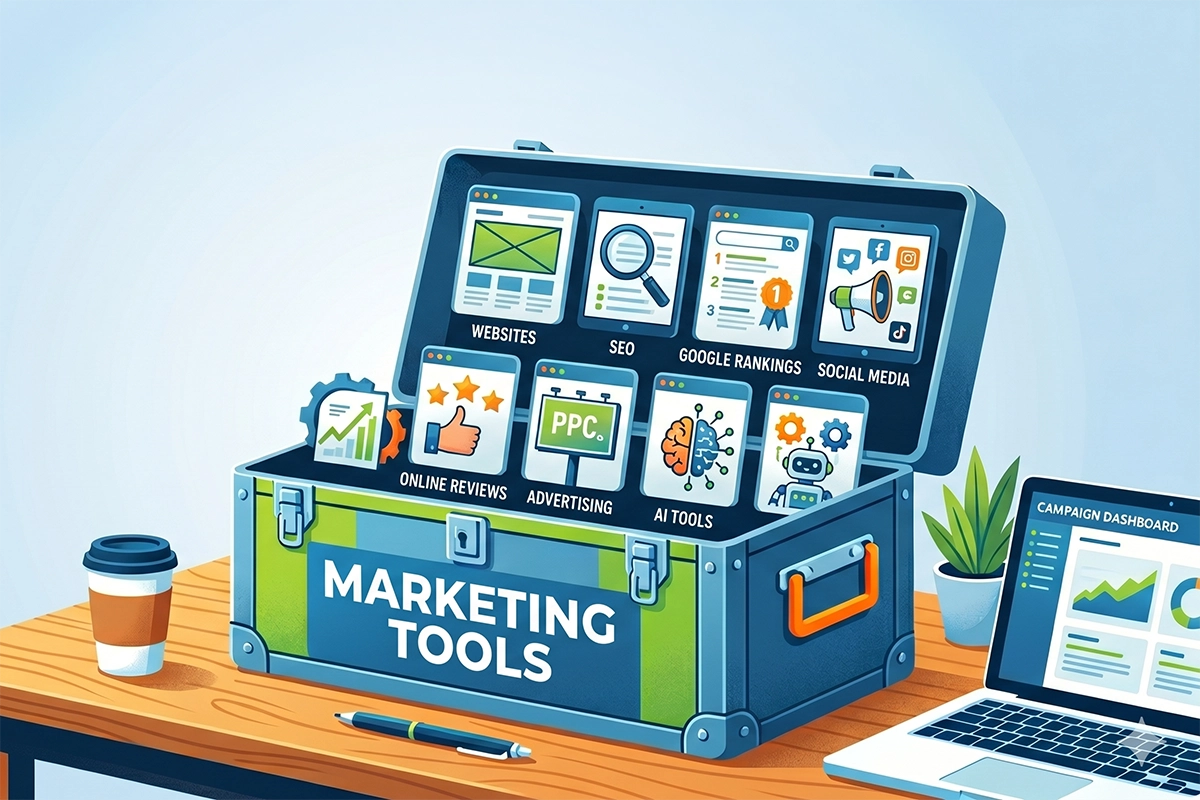
    Healthcare marketing conversations usually revolve around:

    • websites 
    • SEO 
    • Google rankings 
    • social media 
    • online reviews 
    • advertising 
    • AI tools 
    • automation 

    And while all of those things absolutely matter, many practices overlook one of the most powerful marketing tools they already have sitting inside their office every single day.

    Their team.

    Not just the doctors.
    Not just management.
    Everyone.

    From the front desk and treatment coordinators to assistants, hygienists, technicians, nurses, and support staff, your team plays a direct role in how patients perceive your practice, remember your practice, and ultimately recommend your practice.

    At Ai Healthcare Marketing, we have spent nearly 30 years helping healthcare practices grow, and one thing has remained consistently true:

    Patients may come in because of marketing… but they stay because of people.

    And in today’s healthcare environment, where patients have endless choices and shorter attention spans than ever before, the human side of your practice has become one of the biggest competitive advantages you can have.

    Your Team IS Part of Your Brand

    This is something many practices fail to fully recognize.

    Branding is not just:

    • a logo 
    • a website 
    • office colors 
    • advertisements 
    • social media graphics 

    Branding is the overall feeling patients experience when interacting with your practice.

    That includes:

    • how your phones are answered 
    • how patients are greeted 
    • the tone of conversations 
    • body language 
    • professionalism 
    • friendliness 
    • empathy 
    • appearance 
    • consistency 
    • energy 

    Patients begin forming opinions within seconds of walking into your office.

    Before they meet the provider.
    Before treatment begins.
    Before they understand your credentials.

    They are already evaluating:

    “Does this office feel welcoming?”
    “Do these people care?”
    “Do I feel comfortable here?”
    “Can I trust this practice?”

    Those emotional impressions matter more than many offices realize.

    Patients Remember How You Made Them Feel

    Think about the last truly great customer experience you had anywhere.

    You probably remember:

    • how you were treated 
    • how welcome you felt 
    • the energy of the staff 
    • whether people seemed genuine 
    • whether someone went the extra mile 

    Healthcare is no different.

    Patients often do not remember every clinical detail.

    But they absolutely remember:

    • whether someone smiled 
    • whether staff acted rushed 
    • whether someone listened 
    • whether they felt judged 
    • whether they felt cared about 
    • whether the office atmosphere felt positive 

    This is especially important in healthcare because many patients arrive stressed, nervous, embarrassed, overwhelmed, or in pain.

    A caring team can completely change the emotional experience.

    And emotional experiences create loyalty.

    Your Staff Can Strengthen, Or Damage Your Marketing

    This is where many practices unknowingly struggle.

    A practice may invest heavily into:

    • digital advertising 
    • SEO 
    • direct mail 
    • social media 
    • website development 
    • reputation management 

    But if patients encounter:

    • cold communication 
    • poor attitudes 
    • disorganization 
    • unprofessional appearance 
    • lack of empathy 

    …the marketing message begins falling apart immediately.

    Patients expect consistency.

    If your online presence presents your practice as:

    • caring 
    • modern 
    • welcoming 
    • professional 

    …but the office experience feels disconnected from that message, trust starts eroding quickly.

    This is why internal culture and patient experience are not separate from marketing.

    They ARE marketing.

    Appearance Matters More Than Practices Want to Admit

    Some offices shy away from discussing this topic because they worry it sounds superficial.

    But presentation absolutely influences perception.

    Patients notice:

    • wrinkled uniforms 
    • inconsistent attire 
    • poor grooming 
    • cluttered appearance 
    • lack of professionalism 
    • worn out branding 
    • mismatched team presentation 

    At the same time, they also notice:

    • coordinated attire 
    • polished appearance 
    • clean branding 
    • name badges 
    • professional uniforms 
    • organized environments 

    None of this means a practice needs to feel overly corporate or intimidating.

    In fact, warmth matters tremendously.

    But appearance communicates professionalism, pride, consistency, and attention to detail.

    And patients naturally associate those qualities with the level of care they expect to receive.

    Your Team’s Attitude Is Visible Immediately

    Patients can feel office culture almost instantly.

    They notice:

    • tension between staff 
    • lack of communication 
    • burnout 
    • frustration 
    • negativity 
    • disengagement 

    Even subtle energy affects patient perception.

    On the other hand, when patients walk into an office where:

    • people smile genuinely 
    • staff communicate well 
    • team members help each other 
    • energy feels calm and positive 
    • patients are treated with patience and kindness 

    …it creates comfort.

    And comfort builds trust.

    Many practices underestimate how much emotional atmosphere impacts patient retention and referrals.

    Patients talk about these experiences constantly.

    Not just online.
    Not just in reviews.

    But to:

    • family 
    • coworkers 
    • neighbors 
    • friends 
    • community groups 

    Word of mouth marketing is still incredibly powerful in healthcare.

    And your staff often drives it more than any advertisement ever could.

    Patients Want Human Connection More Than Ever

    Technology continues changing healthcare rapidly.

    Patients now interact with:

    • online scheduling 
    • automated reminders 
    • AI chat systems 
    • digital forms 
    • virtual communication 
    • self service platforms 

    While convenience matters, something else is happening at the same time:

    People are craving authentic human connection more than ever.

    Healthcare can feel impersonal very quickly.

    That is why practices that combine efficiency with genuine warmth stand out dramatically.

    Patients do not want to feel processed.

    They want to feel acknowledged.

    Sometimes the smallest moments create the biggest impact:

    • remembering a patient’s name 
    • asking how someone is feeling 
    • helping an anxious patient relax 
    • offering reassurance 
    • showing patience instead of frustration 

    Those moments create emotional loyalty.

    And emotional loyalty creates long-term growth.

    Every Team Member Represents the Practice

    One of the biggest mistakes practices make is assuming branding responsibility belongs only to management or marketing departments.

    In reality, every employee contributes to brand perception.

    Every conversation matters.
    Every interaction matters.
    Every facial expression matters.
    Every email matters.
    Every phone call matters.

    Patients rarely separate:

    “That was just the receptionist.”

    To patients, every interaction represents the practice itself.

    That is why team training matters so much.

    Not scripted robotic behavior.

    Real communication skills.

    Practices should regularly discuss:

    • tone of voice 
    • patient empathy 
    • professionalism 
    • appearance standards 
    • office consistency 
    • patient experience expectations 

    Because culture is not accidental.

    Strong office cultures are intentionally built.

    Hiring the Right People Matters More Than Ever

    Skills can often be trained.

    Attitude is much harder to teach.

    Healthcare practices should prioritize hiring people who naturally demonstrate:

    • compassion 
    • patience 
    • professionalism 
    • emotional intelligence 
    • positivity 
    • communication skills 

    Because patients feel the difference immediately.

    One negative or disengaged team member can impact:

    • patient retention 
    • reviews 
    • referrals 
    • office morale 
    • scheduling conversions 

    Meanwhile, strong team members elevate the entire patient experience.

    And that experience becomes part of your marketing reputation whether you actively promote it or not.

    Consistency Creates Trust

    One of the strongest brands in healthcare is consistency.

    Patients should experience the same feeling:

    • online 
    • on the phone 
    • in the office 
    • during treatment 
    • during follow-up communication 

    That consistency creates confidence.

    And confidence leads to:

    • referrals 
    • reviews 
    • loyalty 
    • treatment acceptance 
    • long-term growth 

    Practices that grow steadily over time usually have one thing in common:
    Their internal patient experience aligns with their external marketing message.

    That alignment is powerful.

    The Best Marketing Often Doesn’t Feel Like Marketing

    Some of the most successful practices are not necessarily the loudest online.

    They simply create experiences patients want to talk about.

    Patients remember:

    • kindness 
    • warmth 
    • professionalism 
    • friendliness 
    • consistency 
    • genuine care 

    And when patients trust a practice emotionally, they become advocates for that brand.

    That kind of loyalty cannot be bought through advertising alone.

    It must be earned through people.

    Final Thoughts

    Marketing will continue evolving.

    AI will continue changing workflows.
    Algorithms will continue shifting.
    Platforms will continue competing for attention.

    But one thing will never go out of style:

    Human connection.

    At the end of the day, healthcare is still deeply personal.

    Patients want to feel:

    • respected 
    • cared for 
    • welcomed 
    • understood 

    And your team plays one of the biggest roles in creating that experience.

    At Ai Healthcare Marketing, we believe the strongest healthcare brands are built from the inside out, where marketing, culture, professionalism, patient experience, and team presentation all work together to create trust.

    Because sometimes the most important marketing strategy in your entire practice is not the technology you invest in.

    It is the people representing your name every single day.

  • You’re Showing Up Online… But Patients Still Aren’t Choosing You, Here’s Why

    You’re Showing Up Online… But Patients Still Aren’t Choosing You, Here’s Why

    You’re posting on social media.
    You’ve got a website.
    Maybe you’re even running ads.

    From the outside, it looks like you’re doing everything right.

    So why does it feel like patients still aren’t choosing you?

    Visibility Isn’t the Same as Value

    Being seen is important.

    But being chosen?

    That’s different.

    Patients aren’t just looking for a provider.
    They’re looking for:

    • Trust
    • Comfort
    • Confidence

    And if your marketing doesn’t communicate that…

    You blend in.

    The Problem: You Look Like Everyone Else

    Take a look at your competitors.

    What are they posting?

    • “We love our patients!”
    • “Call us today!”
    • “Meet our amazing team!”

    Now look at your content.

    If it looks the same…

    Patients don’t see a difference.

    And when there’s no difference?

    They choose based on:

    • Convenience
    • Price
    • Reviews

    Not loyalty.

    What Patients Actually Respond To

    Patients choose practices that:

    • Speak directly to their concerns
    • Make them feel understood
    • Clearly explain what makes them different

    It’s not about being louder.

    It’s about being clearer.

    Positioning Is Everything

    You don’t need more posts.

    You need better messaging.

    If that’s not obvious…

    You’re invisible, even if you’re active.

    The Bottom Line

    Showing up is step one.

    Being chosen is the goal.

    Ready to Stand Out Instead of Blend In?

    At Ai Healthcare Marketing, we help practices clarify their message, strengthen their brand, and become the obvious choice.

    Because patients don’t choose the best provider…

    They choose the one they trust first.

    Let’s make that you.

  • Your Competitor Down the Street Isn’t Better Than You, They Just Market Better

    Your Competitor Down the Street Isn’t Better Than You, They Just Market Better

    Let’s be honest for a moment.

    You’ve probably looked at another practice nearby and thought:

    • “We’re more experienced than them.”
    • “We offer better care.”
    • “Our team is stronger.”

    And yet…

    Their schedule is full.
    They’re getting more new patients.
    They seem to be everywhere.

    So what gives?

    It’s Not About Skill, It’s About Perception

    This is one of the hardest truths for healthcare providers to accept:

    Patients don’t choose the best provider.
    They choose the one they trust first.

    And trust, at least initially, is built before they ever meet you.

    It’s built online.

    The Decision Happens Before the Phone Call

    Before a patient ever calls your office, they’ve already:

    • Searched online
    • Looked at your website
    • Compared you to competitors
    • Read reviews
    • Formed an opinion

    And in most cases…

    They’ve already decided who they feel most comfortable with.

    That decision isn’t based on:

    • Years in practice
    • Advanced training
    • Certifications

    It’s based on:

    • How you show up
    • How clear your message is
    • How professional and trustworthy you look

    Why They’re Winning (Even If They’re Not Better)

    The practices that are growing faster are doing a few key things consistently:

    1. They Show Up Everywhere

    When patients search, they appear.

    • Google results
    • Maps listings
    • Ads
    • Social platforms

    Visibility creates familiarity.
    Familiarity builds trust.

    2. They Look Professional and Consistent

    Their branding is clean.
    Their messaging is clear.
    Their presence feels intentional.

    Nothing feels random.

    3. They Have Strong Reviews

    Patients rely heavily on:

    • Google reviews
    • Ratings
    • Real experiences

    Even if your care is better…

    If your reviews are weaker, you lose.

    4. They Make It Easy to Choose Them

    Their website is simple.
    Their calls to action are clear.
    Their messaging speaks directly to the patient.

    There’s no confusion.

    Meanwhile… What’s Happening in Most Practices?

    We see this every day:

    • Inconsistent posting
    • Outdated websites
    • Generic messaging
    • No clear differentiation
    • Minimal review strategy

    And the biggest issue?

    Everything looks like everyone else.

    If You Blend In… You Lose

    When patients can’t tell the difference between practices, they default to:

    • The closest option
    • The cheapest option
    • The one with the most reviews

    Not the best provider.

    This Isn’t About Being Better, It’s About Being Clear

    You don’t need to:

    • Work harder
    • Add more services
    • Compete on price

    You need to:

    Communicate your value clearly and consistently.

    Marketing Isn’t About Noise, It’s About Positioning

    The goal isn’t to:

    • Post more
    • Spend more
    • Do more random tactics

    The goal is to become the obvious choice.

    That happens when your marketing:

    • Reflects your strengths
    • Speaks to your ideal patient
    • Builds trust before the first interaction

    The Practices That Win Understand This

    They don’t just “do marketing.”

    They:

    • Invest in their brand
    • Stay consistent
    • Pay attention to perception
    • Partner with experts

    Because they know:

    Perception drives action.

    The Bottom Line

    If your competitor is growing faster than you…

    It’s not because they’re better.

    It’s because they’re clearer, more visible, and easier to trust.

    Ready to Become the First Choice?

    At Ai Healthcare Marketing, we help practices take what makes them great, and make sure patients actually see it.

    With nearly 30 years of experience in healthcare marketing, we know how to position your practice so you don’t just compete…

    You stand out.

    Let’s turn your expertise into growth, and make sure the right patients choose you first.

  • Google Just Changed the Rules on Reviews : Here’s What Healthcare Practices Must Know

    Google Just Changed the Rules on Reviews : Here’s What Healthcare Practices Must Know

    If your practice relies on Google reviews (and let’s be honest, who doesn’t?), there’s a major shift happening that you cannot afford to ignore.

    Over the past year, and especially in early 2026, Google has tightened its review policies in a big way. What used to be “common practice” for getting reviews can now actually hurt your rankings, get reviews removed, or even flag your business.

    Let’s break down what changed, what it means, and how your practice should respond.

    The Big Shift: Google Is Cracking Down on “Manipulated” Reviews

    At its core, Google hasn’t changed its mission:

    Reviews must reflect a real, unbiased customer experience

    But how aggressively they enforce that?
    That’s what’s new.

    Google is now using advanced AI systems to detect patterns, and in 2025 alone, they removed hundreds of millions of fake or policy-violating reviews.

    That means:

    • Reviews can disappear without warning
    • Even legitimate reviews can get flagged
    • Old strategies no longer work

    What’s NEW in 2026 (This Is Where It Gets Serious)

    Here are the biggest rule changes that impact your practice directly:

    1. No More “Review Quotas” for Staff

    You can no longer tell your front desk:

    “Get 5 reviews this week.”

    That’s now considered manipulation.

    Why it matters:
    This was a VERY common strategy in medical practices, and now it’s a risk.

    2. No Asking for Specific Content (Including Staff Names)

    Encouraging patients to say:

    • “Mention Dr. Smith”
    • “Talk about how great Jessica was”

    …is now against policy.

    Even worse?
    Reviews that already include staff names may get removed.

    3. No Incentives, At All

    Still true, but now more aggressively enforced:

    You CANNOT offer:

    • Discounts
    • Gift cards
    • Free services

    …in exchange for reviews.

    And now, thanks to federal regulations, penalties for fake reviews can be massive (up to tens of thousands per violation).

    4. “Review Gating” Is Effectively Dead

    This is a big one.

    You cannot:

    • Ask happy patients for reviews
    • Filter out unhappy ones

    Google explicitly prohibits selectively soliciting positive reviews.

    5. No On-Site Pressure or Kiosks

    If you’re:

    • Handing patients an iPad
    • Asking them to review before they leave

    That’s now considered coercive behavior, and can trigger removals.

    Why Reviews Are Suddenly Disappearing

    If your clients are saying:

    “We lost reviews overnight…”

    They’re not crazy.

    Common reasons include:

    • AI detecting patterns (too many reviews at once)
    • Similar wording across reviews
    • Reviews tied to suspicious accounts
    • Policy violations (even unintentionally)

    And here’s the kicker:

    Reviews can be removed years later as Google’s AI gets smarter.

    What Google REALLY Wants Now

    Google is shifting from:

    “Get more reviews”

    To:

    “Get real, natural, consistent feedback over time”

    That means:

    • No spikes
    • No scripts
    • No manipulation

    Just authentic patient experiences.

    What Healthcare Practices Should Do Instead

    Here’s the new (compliant) strategy:

    Ask Every Patient, Not Just Happy Ones

    Keep it neutral:

    “We’d love your feedback on your experience.”

    Use Timing, Not Pressure

    Send a follow-up:

    • 24–48 hours after the visit
    • Via text or email

    Keep It Simple

    No scripts. No coaching. No “say this.”

    Focus on Volume Over Perfection

    A mix of:

    • 5-star
    • 4-star
    • Even occasional lower reviews

    …actually builds MORE trust.

    Monitor Reviews Actively

    Because now:

    • Reviews can disappear
    • You won’t be notified

    Tracking is no longer optional, it’s essential.

    The Hidden Impact Most Practices Miss

    Here’s what many don’t realize:

    Reviews now influence:

    And now…

    Compliance impacts visibility

    If Google detects manipulation:

    • Reviews get removed
    • Rankings drop
    • Profiles can get restricted

    The Bottom Line

    Google didn’t just tweak the rules, they changed the game.

    What worked even 12 months ago can now:

    • Backfire
    • Cost you reviews
    • Hurt your online visibility

    And for healthcare practices, where trust is everything, that’s a big deal.

    How Ai Healthcare Marketing Helps You Stay Ahead

    This is exactly where most practices get into trouble.

    They either:

    • Don’t know the rules changed
    • Or are still using outdated strategies

    At Ai Healthcare Marketing, we help you:

    Because in today’s world…

    It’s not just about getting reviews.
    It’s about getting them the right way.

  • “Can’t AI Just Do My Marketing?”

    “Can’t AI Just Do My Marketing?”

    What Healthcare Practices Are Asking—and What They Need to Know

    Artificial Intelligence is everywhere right now—and healthcare practices are no exception.

    We’re hearing it more and more:

    “Can’t we just use AI to handle our marketing?”
    “Why hire an agency when we have tools now?”
    “Can’t my front desk just run this?”

    These are fair questions. AI is powerful. It’s fast. It’s accessible.

    But here’s the truth most practices are learning the hard way:

    AI is a tool—not a strategy.

    Let’s break down the most common questions we’re hearing—and what every practice needs to understand before relying on AI alone.

    Can AI Replace a Marketing Agency?

    Short answer: No.

    AI can write content, generate ideas, and even help with ads—but it doesn’t:

    • Understand your specific market
    • Know your competition
    • Track performance strategically
    • Adjust campaigns based on real-world results

    AI gives you output.
    A marketing agency gives you direction, consistency, and growth.

    Without strategy, AI is just noise.

    But AI Can Write Blogs and Social Posts… Isn’t That Enough?

    It can—but here’s where things fall apart.

    Most practices using AI internally run into:

    • Inconsistent posting
    • Generic, repetitive content
    • Messaging that doesn’t reflect their brand
    • No connection to SEO or long-term goals

    What starts as “we’ll just have someone in the office do it” turns into:

    • Missed weeks
    • Last-minute posting
    • Content that doesn’t perform

    Consistency beats convenience every time—and AI alone doesn’t create consistency.

    Can My Office Staff Handle Marketing Using AI Tools?

    They can try—but it’s rarely effective long-term.

    Your team is already focused on:

    • Patients
    • Phones
    • Scheduling
    • Daily operations

    Marketing becomes:

    • “We’ll get to it later”
    • “We forgot to post this week”
    • “We didn’t know what to say”

    And even when they do use AI, they often:

    AI in untrained hands creates activity—not results.

    Isn’t AI Cheaper Than Hiring a Marketing Company?

    At first glance—yes.

    But here’s what most practices don’t calculate:

    • Lost leads from inconsistent marketing
    • Missed opportunities from poor follow-up
    • Weak SEO that never gains traction
    • Ads that run without proper optimization

    What looks “cheaper” often becomes far more expensive in lost growth.

    What Does a Marketing Expert Do That AI Can’t?

    This is where the difference becomes clear.

    A true marketing partner:

    • Builds a strategy tailored to your practice
    • Tracks performance and adjusts monthly
    • Aligns your website, SEO, ads, and social media
    • Understands trends before they impact you
    • Keeps everything consistent and on-brand

    AI can assist with execution—but it cannot replace:
    experience, insight, and accountability.

    So Should We Not Use AI at All?

    Not at all.

    The best approach is:
    Use AI—but use it the right way.

    AI should:

    • Speed up content creation
    • Help brainstorm ideas
    • Support campaigns

    But it needs to be:

    • Directed
    • Reviewed
    • Strategically applied

    Think of AI as your assistant—not your marketing director.

    Why Do Practices Struggle When They Switch to “AI-Only” Marketing?

    Because marketing isn’t just about doing things—it’s about doing the right things, consistently, over time.

    What we see happen:

    • Excitement about AI tools
    • Initial burst of content
    • Inconsistency sets in
    • No tracking or strategy
    • Results stall—or decline

    And by the time practices realize it, they’ve lost months of momentum.

    What’s the Best Approach Moving Forward?

    The practices that are winning right now are doing this:

    It’s not AI or a marketing agency.

    It’s AI + the right team guiding it.

    Let’s Wrap This Up

    AI is one of the most powerful tools to hit marketing in years—but like any tool, it’s only as effective as the person using it.

    Healthcare marketing today requires:

    • Strategy
    • Consistency
    • Experience
    • And constant adaptation

    That’s not something you can set and forget—or hand off without direction.

    At Ai Healthcare Marketing, we don’t compete with AI—we use it to enhance what we already do best.

    For nearly 30 years, we’ve helped practices:

    • Stay ahead of marketing trends
    • Build consistent, high-performing campaigns
    • Turn leads into loyal patients
    • And grow with confidence

    If you’re using AI—or thinking about it—the real question isn’t “Should we use AI?”

    It’s:

    “Who is guiding it?”

    Because that’s the difference between marketing that exists… and marketing that works.